Online Gambling Platforms Lawsuit: Sports Betting
Gambling addiction lawsuits are being filed against online platforms like DraftKings. These lawsuits claim that these companies and services are designed to intentionally encourage addictive behaviors and take advantage of those who have gambling disorders.
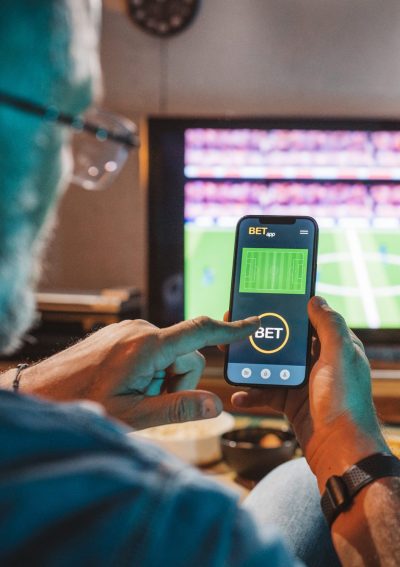
Why Are People Filing Online Gambling Addiction Lawsuits?
People who have filed online gambling addiction lawsuits claim that certain platforms intentionally took advantage of their addiction and caused financial devastation. These platforms, which are often downloaded as phone apps, have made daily, routine gambling accessible for millions of Americans.
In recent years, gambling has increased as it has been legalized across much of the country. According to a study published in JAMA Internal Medicine, total sports gambling wagers rose from less than $5 billion in 2017 to more than $120 billion by 2023. More than 90% of those bets were placed online.
Deceptive “Risk-Free” Bets, Bonuses and VIP Promotions
Online gambling lawsuits claim that certain platforms used deceptive marketing practices to keep users engaged and encourage them to gamble more money.
One example of this is popular platform DraftKings’ advertising of a “risk-free” bet.
These bets, however, still require the gambler to deposit their money into an account. If the gambler then loses the bet, they are not credited with money back. They instead gain a “bonus bet” that cannot be withdrawn from the app and can only be used to keep gambling.
The bonus bet amount also expires if it is not used within a week.
Lawsuits say that wagers made with these bonus bets pay out at lower odds than bets made with regular dollars.
“Thus, the new customer responding to the ‘no-risk’ advertisement can only get some of their money back, and only if they win their second bet,” one lawsuit states.
Another example of deceptive marketing that lawsuits focus on is the promise to match a new customer’s first deposit up to $1,000. In reality, lawsuits claim the offer is misleading, with high requirements to qualify, such as making an initial deposit of $5,000 and wagering at least $25,000 within 90 days.
VIP promotions also feature in some lawsuits, with customers claiming they were encouraged by hosts and notifications to continue gambling even as they tried to stop or take breaks after suffering losses.
Lawsuits Claim Online Gambling Platforms Violated State Law
Some online gambling lawsuits claim that these platforms violated state law and failed to protect their customers.
In a lawsuit filed in December 2025, a Michigan man claimed he lost tens of thousands of dollars after DraftKings failed to adhere to a state-mandated cooldown period.
Some users can set voluntary limits on a gambling app, and the app will then prevent them from depositing more than a set amount within a given time. Some states require gambling platforms to include a 24-hour cooldown period after a user requests a change to their limit.
But the lawsuit claims that DraftKings did not implement the cooldown period. It states that this undermined the effectiveness of self-imposed limits by allowing users to adjust those limits whenever they wished.
Who May Qualify for an Online Gambling Addiction Lawsuit?
You may qualify for an online gambling addiction lawsuit if you suffered serious financial losses through the use of an app like DraftKings. Lawsuits are often filed by people who have been diagnosed with a gambling disorder as well.
People who have filed cases were often drawn in by promotions and special offers that lawsuits claim were deceptive. Those lawsuits also provide some instances of users attempting to stop gambling, but the apps in question offered bonuses or sent alerts to keep them engaged and spending.
Harms and Mental Health Effects Linked to Online Sports Betting
As online sports gambling has risen in popularity, so has risky gambling behavior. A 2024 review published in The Lancet noted that the rates of problematic gaming are greatest among those who are gambling online.
Additionally, more than 61% of North American adults reported gambling in the last 12 months, with nearly 14% of that group engaging in risk gambling activities. The rate of risk gambling activities was even higher for adolescents.
- Chasing losses, or gambling to try and win back lost money
- Concealing your gambling habits from loved ones
- Feeling angry or upset when you try to stop gambling
- Needing to bet more and more money to maintain the same excitement level
- Thinking about gambling constantly
Gambling disorder can have a severe impact on both your mental and financial health. It can cause other mental health problems to manifest or worsen, including anxiety and depression. According to the Cleveland Clinic, people with gambling addiction also have an increased risk of suicide.
Online Gambling Class Action Lawsuits and Individual Claims
Some online gambling addiction lawsuits have been filed as class actions. Those cases generally involve claims that certain platforms used misleading promotions or bonus offers to attract potential clients.
One online gambling addiction lawsuit involved a Pennsylvania man who was drawn in by advertisements of risk-free bets and a $1,000 match on deposits. He went on to lose significant sums of money despite initially becoming interested in a “risk-free” promotion.
Other cases focus on claims that VIP hosts used bonuses, promotional offers and rewards like sporting event tickets to keep heavy-spending clients engaged, even after they vastly outspent their income or attempted to stop gambling.
Lawsuits have also been filed individually by people who say they were impacted by a combination of these claims.
Evidence That Can Help Your Online Gambling Lawsuit
If you are interested in filing an online gambling lawsuit, gathering evidence to support your claim can help your case.
This may include proof that you used a gambling app, along with any financial records or receipts that show your losses.
You may also need evidence that shows you have suffered from gambling addiction. This can include any records of treatment or diagnoses.
If you aren’t sure where to start or how to get some of this information, don’t worry. A lawyer can help you determine what exactly you will need and how to successfully track it down.
How To Take Legal Action for Online Gambling Addiction
You can take legal action for online gambling addiction by getting in touch with a trusted legal representative who can assist you.
A legal representative can evaluate your case, help you learn your legal rights, gather relevant information and file your lawsuit for you.
Steps To Take if You Believe a Sports Betting App Harmed You
If you believe that you were harmed by a sports betting app, one of the first steps you can take is to begin gathering relevant evidence, like gambling records and potentially a diagnosis of a gambling disorder.
From there, the next step may be to talk to a lawyer. Consumer Notice can connect you with a trusted legal representative. Your case can be evaluated for free in just minutes to let you know if you may qualify for an online gambling addiction lawsuit.
Online Gambling Addiction Lawsuit FAQs
- Is there an online gambling class action lawsuit for sports betting apps?
- Yes, class action lawsuits have been filed by people who say they lost significant sums of money when using certain online gambling platforms. Lawsuits include claims of “risk-free” advertisements and bonus offers drawing in unsuspecting customers.
- Can I join a class action lawsuit if I already closed my betting accounts?
- Yes, you could likely still join a gambling addiction class action lawsuit even if you closed your betting accounts. Records like receipts can prove this history.
- Can parents file lawsuits against online gambling platforms on behalf of minors?
- Yes, parents can file lawsuits against online gambling platforms on behalf of minors. Research shows that a significant percentage of adolescents who gamble participate in high-risk activities.
- Do I need a diagnosis of gambling disorder to file an online gambling addiction lawsuit?
- A gambling disorder diagnosis could play a big role in strengthening your case, helping to show that you have struggled with addiction when using these apps or platforms.


3 Cited Research Articles
Consumernotice.org adheres to the highest ethical standards for content production and references only credible sources of information, including government reports, interviews with experts, highly regarded nonprofit organizations, peer-reviewed journals, court records and academic organizations. You can learn more about our dedication to relevance, accuracy and transparency by reading our editorial policy.
- VCU Health. (2025, September 29). When the Game Doesn’t End: Understanding Gambling Addiction in a Tech-Driven World. Retrieved from https://www.vcuhealth.org/news/when-the-game-doesnt-end-understanding-gambling-addiction-in-a-tech-driven-world/
- Yeola, A et Al. (2025, February 17). Growing Health Concern Regarding Gambling Addiction in the Age of SportsBooks. Retrieved from https://jamanetwork.com/journals/jamainternalmedicine/article-abstract/2830019
- Cleveland Clinic. (n.d.). Gambling Disorder (Gambling Addiction). Retrieved from https://my.clevelandclinic.org/health/diseases/17881-gambling-disorder-gambling-addiction
Calling this number connects you with a Consumer Notice, LLC representative. We will direct you to one of our trusted legal partners for a free case review.
Consumer Notice, LLC's trusted legal partners support the organization's mission to keep people safe from dangerous drugs and medical devices. For more information, visit our partners page.
844-420-1914