Bard PowerPort Lawsuits: What Chemo Port Patients Need to Know
More than 2,800 people who had a Bard PowerPort chemo port implanted have filed lawsuits claiming the device broke, caused blood clots or resulted in serious infections. Trials begin in April 2026. Here's what patients need to know about injuries, eligibility and their legal options.
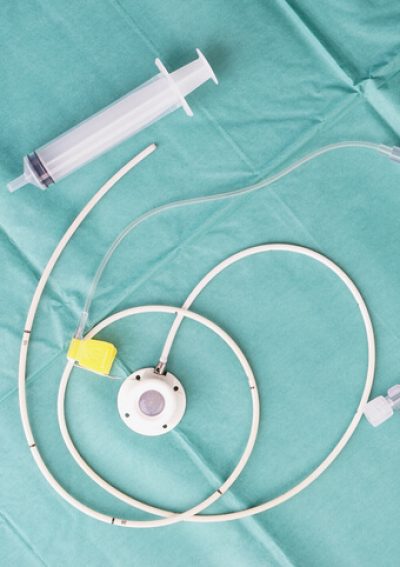
What Is a Chemo Port — and What Went Wrong?
A chemo port is a small medical device doctors implant under the skin in the chest, allowing patients to receive long-term chemotherapy during cancer treatment. Doctors can also use it to draw blood or deliver antibiotics without having to stick a needle in a patient each time.
Bard, a medical device company now owned by Becton, Dickinson and Company (BD), makes a widely used chemo port called the PowerPort. According to port catheter lawsuits, the material used to make the devices, called Chronoflex, can crack or break inside the body.
The FDA has received hundreds of reports of patients suffering Bard chemo port complications.
What Problems Have Chemo Port Patients Reported?
People who have filed lawsuits describe injuries that range from painful to life-threatening, including port catheter fractures, devices moving from their original implant site, serious infections and blood clots.
“Victims endure severe and persistent pain from serious injuries, complications and severe infections caused by using Bard PowerPort devices,” Brendan Smith, an attorney with the Simmons Hanly Conroy Law Firm, told Consumer Notice. “Plaintiffs allege the Bard PowerPort device has a flawed catheter component that leads to device fracture, migration and malfunction.”
Port Fractures and Broken Pieces
Port fractures occur when the catheter breaks. Pieces can travel through the bloodstream. In a study in the Journal of the Mechanical Behavior of Biomedical Materials, researchers found that a chemical used in its Chronoflex chemo ports may make catheters more likely to break.
Device Migration
Device migration happens when a chemo port moves out of place. This may require emergency surgery to fix and pose health risks. Reports to the FDA describe cases where Bard’s PowerPorts migrated and caused complications.
Infections and Sepsis
Bacteria that collect in or around a failing port can lead to infections, including a serious blood infection called sepsis. Doctors often have to remove the chemo port. According to lawsuits, bacteria can accumulate in cracks in port catheters made with ChronoFlex, leading to infection.
Blood Clots
Clots can form around the catheter. Lawsuits allege this happens because material present in the bloodstream collects in small cracks and divots on the catheter, increasing the risk of blood clots. If these clots break off and go to the lungs, it becomes a medical emergency.
If you experience sudden chest pain, fever or shortness of breath, this could be a sign of a chemo port failure or a blood clot in your lungs. Call your doctor or go to the ER right away.
Latest Chemo Port Lawsuit Updates
Lawsuits allege Bard knew or should have known the catheter material could crack and that they failed to warn patients and doctors. More than 2,800 people have filed lawsuits.
So far, Bard hasn’t recalled the PowerPort for the fracture issue, even though the FDA has received hundreds of reports of device problems.
-
March 5, 2026:
Defendants tried to get the Court to exclude the opinions of Dr. Buddy D. Ratner, an expert for the plaintiffs who will testify about material defects in PowerPort catheters. The judge ruled that Ratner can testify about Bard’s port catheter defects and how they’re connected to blood clots, infections and fractures. This is a win for plaintiffs because Ratner has 50 years of expertise, and his testimony could provide key evidence about port safety.
-
March 3, 2026:
Wanda Miller, the second bellwether trial plaintiff, died last month after battling cancer. Her trial is set for July 7, 2026, but it’s possible a new bellwether case may be set.
-
February 3, 2026:
More than 100 new PowerPort cases were filed in the MDL between January and February as the first bellwether trial approaches. The trial, set for April 21, 2026, could help estimate any potential settlement values for thousands of people who have filed lawsuits.
-
November 14, 2025:
The judge made changes to the bellwether trial schedule, and the first trial, Cook v. Becton Dickinson, is now set to begin on April 21, 2026. The other five trials are scheduled through February 2027.
-
August 20, 2025:
Court finalized the full bellwether trial schedule, locking in six trial dates across 2026 and into early 2027. The first trial is set to begin on March 2, 2026.
-
August 8, 2023:
MDL 3081 formed, consolidating all federal Bard PowerPort lawsuits into one proceeding for more efficient handling.
-
March 26, 2020:
The FDA issued a recall notice for certain Bard PowerPort models due to a defect in the catheter tip. This is a separate issue from the catheter fractures at the center of current lawsuits, and Bard hasn’t issued a recall for catheter fractures.
Judges grouped these lawsuits together in federal court (MDL 3081) in Arizona to help the litigation process go more smoothly. People who file a Bard chemo port lawsuit can join the group of cases, no matter where they live in the U.S.
Chemo Port Lawsuit Eligibility: Do You Qualify?
You may qualify to file a chemo port lawsuit if you meet the criteria for when your port was implanted, suffered specific injuries or had the port removed.
- Qualification 1:
- You had a PowerPort, Port-a-Cath, or chemo port implanted on or after January 1, 2000
- Qualification 2:
- You experienced one of these complications: port fracture, serious infection, blood clot (thrombosis) or device erosion
- Qualification 3:
- The port was removed or attempted to be removed, was replaced, or could not be removed
“Victims should prioritize seeking the necessary care and treatment from their medical professionals, which includes removing the catheter product,” Smith said. “Additionally, they should contact a law firm they trust to review their case and protect their rights.”
Lawyers are still accepting cases. If you aren’t sure if you qualify, a chemo port lawyer can help see if you are eligible. Deadlines to file a chemo port lawsuit vary by state. The sooner you act, the more legal options you’ll have.

Chemo Port Lawsuit Settlement Outlook
Bard hasn’t announced any settlements for the fracture-related Bard PowerPort lawsuits. This is normal at this stage in the litigation. Settlement negotiations in large MDLs usually begin after bellwether verdicts give both sides a clearer picture of case value.
If juries side with the plaintiffs in the first bellwether trials, Bard could face pressure to settle the remaining cases. If Bard wins, they are more likely to keep fighting the cases in court instead of settling. The first trial begins April 21, 2026.
Individual case values could be higher or lower depending on the severity of the injury. For example, a port fracture case is more likely to cause serious injuries than an infection with a quick recovery. Medical costs and treatment required, lost income and whether the port was successfully removed also affect the case value.
Frequently Asked Questions About Chemo Port Lawsuits
- What is a chemo port lawsuit?
- People who had a Bard PowerPort chemo port and experienced serious complications have filed lawsuits claiming the device was defectively designed and the manufacturer failed to warn them.
- Has the Bard PowerPort been recalled?
- Bard hasn’t issued a fracture-related recall despite hundreds of FDA reports. The company recalled some devices for an unrelated issue in 2019.
- What is an MDL and does it affect my case?
- An MDL is a group of cases with similar injuries and defendants. Judges grouped PowerPort lawsuits together in Arizona federal court for efficiency. You don’t have to live in that state to file, and it doesn't change your individual claim.
- Do I need to have had surgery to qualify?
- Not necessarily — a removal attempt or inability to remove the PowerPort may also qualify.
- Is it too late to file a chemo port lawsuit?
- No, it’s not too late and you can still file a chemo port lawsuit in many cases. Deadlines vary by state. A case review can determine if you're still within the window.



5 Cited Research Articles
Consumernotice.org adheres to the highest ethical standards for content production and references only credible sources of information, including government reports, interviews with experts, highly regarded nonprofit organizations, peer-reviewed journals, court records and academic organizations. You can learn more about our dedication to relevance, accuracy and transparency by reading our editorial policy.
- United States Judicial Panel on Multidistrict Litigation. (2026, March 2). MDL Statistics Report - Distribution of Pending MDL Dockets by Actions Pending. Retrieved from https://www.jpml.uscourts.gov/sites/jpml/files/Pending_MDL_Dockets_By_District-March-2-2026.pdf
- U.S. Food & Drug Administration. (2026, February 19). Manufacture and User Facility Device Experience (MAUDE) Database. Retrieved from https://www.accessdata.fda.gov/scripts/cdrh/cfdocs/cfmaude/search.cfm
- United States Judicial Panel on Multidistrict Litigation. (2023, August 8). Transfer Order. Retrieved from https://www.jpml.uscourts.gov/sites/jpml/files/MDL-3081-Transfer_Order-7-23.pdf
- Becton, Dickinson and Company. (2023, August 8). Statement on Transfer of Bard PowerPort™ Implantable Port Cases to Multidistrict Litigation. Retrieved from https://www.bd.com/content/dam/bd-assets/na/peripheral-intervention/web-assets/us/documents/media_statement_port_mdl_final_20230808.pdf
- U.S. Food & Drug Administration. (2020, March 26). Class 2 Device Recall Power Port Implantable Port. Retrieved from https://www.accessdata.fda.gov/scripts/cdrh/cfdocs/cfRes/res.cfm?id=179655
Calling this number connects you with a Consumer Notice, LLC representative. We will direct you to one of our trusted legal partners for a free case review.
Consumer Notice, LLC's trusted legal partners support the organization's mission to keep people safe from dangerous drugs and medical devices. For more information, visit our partners page.
866-981-3468