Study Finds Brain Changes in Mice Exposed to Paraquat
Editors carefully fact-check all Consumer Notice, LLC content for accuracy and quality.
Consumer Notice, LLC has a stringent fact-checking process. It starts with our strict sourcing guidelines.
We only gather information from credible sources. This includes peer-reviewed medical journals, reputable media outlets, government reports, court records and interviews with qualified experts.
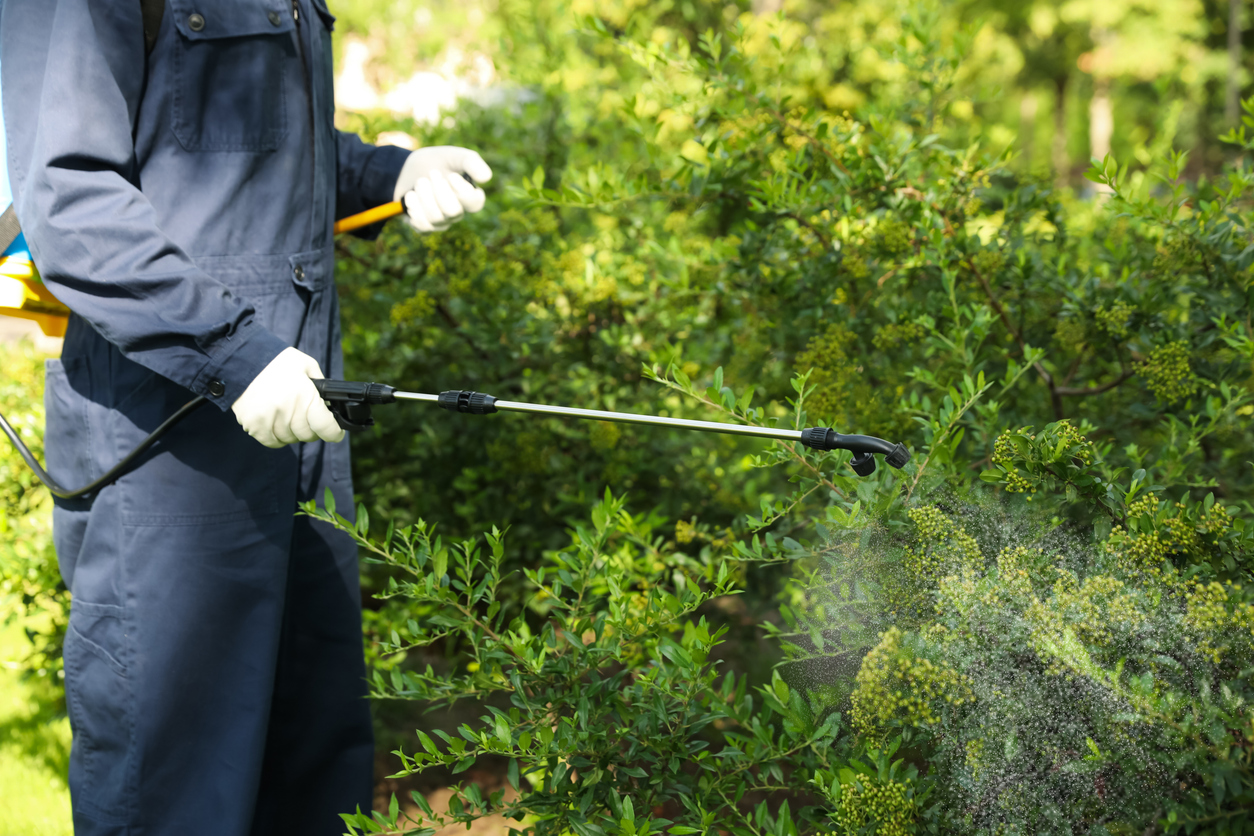
A new study has found that some mice exposed to paraquat in the air for 60 days developed the brain changes and movement problems associated with Parkinson’s disease in humans. The study was posted Nov. 3 on bioRxiv — a site where research is published before peer review. The study doesn’t prove that paraquat causes Parkinson’s in humans, but it adds to a growing body of research suggesting a link.
Researchers at the University of Rochester and the University of Georgia exposed mice to small droplets of paraquat in the air for four hours per day, five days a week. After 60 days of exposure, the males had around 17% fewer dopamine-producing cells in the substantia nigra — the area of the brain that’s affected in Parkinson’s disease. They also had lower dopamine levels and performed worse on movement tests. The females didn’t show any clear pattern of change.
What the Study Found
The researchers say this is the first study to demonstrate this type of brain cell loss following mice being exposed to paraquat via inhalation. Previous animal studies have given paraquat via food, water or injection, though some have argued that those routes of exposure don’t reflect how people would normally be exposed to a toxic pesticide. The degree of cell loss was small, and the researchers also point out that they didn’t track the mice as they aged.
Parkinson’s is more common in men, but the researchers don’t know why the effects differed between males and females.
The amount of paraquat exposure is a major issue in determining a Parkinson’s link. The mice were exposed to what the researchers called the highest one-day exposure recorded in one earlier study of actual field workers. However, the study’s exposure level was much higher than the average daily exposure of workers in an earlier study.
Regulators and Courts Weigh Paraquat’s Risks
The U.S. Environmental Protection Agency has put aside hundreds of studies on a possible link between paraquat and Parkinson’s — including nearly 200 animal studies — as the agency has found problems with them. Paraquat is banned in about 70 countries but remains legal in the U.S. An EPA spokesperson said a meeting on paraquat is planned for early December, though no date has been set yet.
Some states and companies have moved faster than the federal government. Vermont banned paraquat earlier this year.
Syngenta, one of the major producers of the herbicide, announced in March 2026 that it would stop producing paraquat by the end of June.
As of Nov. 2, 2026, Syngenta was still facing 6,635 federal paraquat lawsuits alleging Parkinson’s disease as a result of exposure. The federal cases are all being handled in the Southern District of Illinois.