1,4-Dioxane: A Water Contaminant Found in Tap Water and Everyday Products
1,4-Dioxane is a chemical byproduct often found in drinking water and common household products like laundry detergent and shampoo. The EPA classifies it as a likely human carcinogen. People exposed through contaminated water or consumer products have taken legal action.
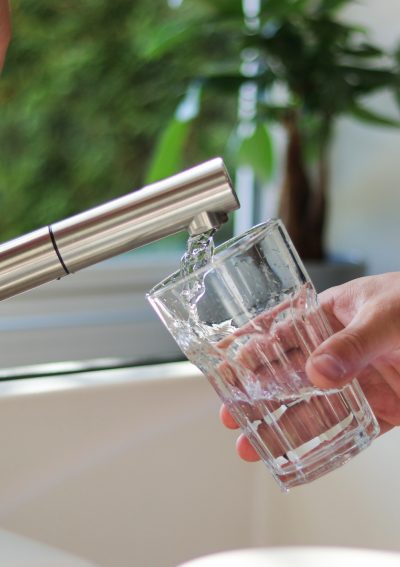
1,4-Dioxane is a byproduct of industrial processes that can end up in consumer products or in drinking water near factories or other places where it is released.
The U.S. Environmental Protection Agency (EPA) says that exposure to 1,4-dioxane could increase cancer risk. Federal health agencies have also found links to liver cancer and other harmful effects in animal studies.
Exposure to 1,4-dioxane has led to both regulatory action and lawsuits.
What Is 1,4-Dioxane?
1,4-Dioxane is a man-made industrial solvent and stabilizer, but it is rarely added to products on purpose. It often appears as a byproduct during manufacturing. For example, it can show up in detergents, foaming agents and other ingredients that undergo ethoxylation, a process intended to make products less harsh.
1,4-Dioxane is a concern because it readily mixes with water and does not stick well to soil or sediment. Experts say it moves quickly through groundwater, so it can travel far from where it was released and spread into wells and other water sources. It also breaks down slowly in soil, so contamination can persist for years.
For these reasons, 1,4-dioxane has been found near factories, landfills and polluted industrial sites. These include Superfund sites, EPA-designated locations that produce or have emitted dangerous waste. In these locations, wastewater or disposal methods have allowed 1,4-dioxane to seep into the ground. Regular water treatment often struggles to remove this chemical once it gets into groundwater.
How Are People Exposed?
You can come into contact with 1,4-dioxane in different ways. You might breathe it in from polluted air, absorb it through your skin or consume contaminated water or food. It can be found in drinking water near factories and in small amounts in some foods, packaging and certain pesticides.
1,4-Dioxane can also be found in household products like shampoo, liquid dish soap, baby lotion, bath foam and other cosmetics. In these items, it is not added on purpose, but shows up in small amounts because of how the products are made.
1,4-Dioxane in Household Products
Because 1,4-dioxane is an accidental byproduct of manufacturing, it is not usually listed on ingredient labels, even if small amounts are still in the final product.
People usually talk about 1,4-dioxane when discussing laundry detergents, shampoos, body washes, dish soaps and some baby products and cosmetics. A helpful tip is to look for ethoxylated ingredients, as they can contribute to the formation of 1,4-dioxane.
- PEG
- Polyethylene
- Polyethylene glycol
- Polyoxyethylene
- Ingredients ending in “-eth” or “-oxynol”
Ingredients containing these terms or suffixes may indicate that the product was made using a process that could form 1,4-dioxane. This does not guarantee contamination, but it can help you make a more informed decision.
What “1,4-Dioxane Free” Means on Product Labels
If a product is labeled “1,4-dioxane free,” it probably means the company has avoided the manufacturing steps or ingredients that can create the compound. The company may also have tested and reduced it to levels below detection limits.
There is no federal ban on 1,4-dioxane in household products, but New York has established state rules limiting its presence in certain consumer goods.
1,4-Dioxane in Drinking Water
The EPA has found that 1,4-dioxane in drinking water may pose an “unreasonable risk” to humans. This means exposure could be harmful over time. To address this, the agency is developing rules and working with other programs to limit contamination, reduce exposure and better protect public health.
Since this chemical travels easily and does not break down quickly, it can spread through groundwater supplies, reaching wells far from where it first entered the ground.
It’s also hard to remove from drinking water. Common water treatment methods, such as carbon filters and standard filtration, don’t always remove it. Government reports show this chemical has been found in many public water systems, making it a widespread concern.
Case Study: Gelman Sciences Site
The Gelman Sciences groundwater plume in Ann Arbor, Michigan, shows how 1,4-dioxane can linger for decades. EPA added the site, which spans 3 miles long and 1 mile wide, to the Superfund National Priorities List in March 2026. This gives the agency stronger tools and federal resources to address the groundwater threat.
Long-Term Spread
Researchers say industrial wastewater from the site created a contamination plume that has persisted since it was discovered in 1984. It forced the closure of more than 124 private wells and one municipal well. The contamination has continued to move through groundwater, with concerns that it could reach the Huron River and other drinking water sources.
Why It Matters
The Gelman case is a reminder that 1,4-dioxane can spread quickly and persist over long periods, making cleanup difficult once it enters an aquifer. Even decades after detection, communities may still face abandoned wells, water restrictions and uncertainty about long-term exposure risks.
The Federal Regulation Gap
There is no federal limit for 1,4-dioxane in drinking water. This creates a gap in regulations. The EPA considers the chemical a likely cancer risk, but there is still no national legal standard for tap water.
However, some states, like New York and California, have set their own limits or guidelines. Protections can vary depending on where you live.
Health Risks Linked to 1,4-Dioxane Exposure
The EPA considers 1,4-dioxane likely to cause cancer in humans. The agency also says this chemical can cause other harmful effects, such as liver toxicity and nasal tissue irritation.
Because of these dangers, the EPA has determined that 1,4-dioxane poses an “unreasonable risk” to workers who come into contact with it and to the general public.
According to the Centers for Disease Control and Prevention (CDC), animal studies show that high levels of exposure can seriously harm the liver and kidneys and may lead to death. The CDC also points out that these organs are the main targets of 1,4-dioxane toxicity.
1,4-Dioxane can enter the body through contaminated water, skin contact or inhalation. Because of this, regulators see it as a risk in several ways.
Who May Be at Risk
If you come into contact with 1,4-dioxane, several factors determine whether it can harm you. These include the way you’re exposed, the length of your exposure and the amount you touch, breathe or swallow. Other factors, such as your age and health, also matter.
People living near industrial sites, landfills or Superfund cleanup areas may be at higher risk if pollution has reached the local groundwater. Homes that use private well water can also be at risk if their wells draw from contaminated aquifers.
If your drinking water comes from a private well, you can get it tested for 1,4-dioxane by a certified lab. To learn how to collect a sample and where to send it, contact your state water lab certification officer. You can find your state’s contact information on the EPA’s drinking water lab certification page.
People who have used certain consumer products for a long time may also be repeatedly exposed to low levels of 1,4-dioxane. According to the CDC, studies suggest that a small amount of 1,4-dioxane can get through your skin if it is in products like lotions. However, most of it will evaporate before your body can absorb it. The amount of 1,4-dioxane found in things people use every day, like food or other products, is much lower than the amounts tested on animals in experiments.
If you or someone you know matches any of these situations and has become seriously ill, there may be legal options available.
Lawsuits Over 1,4-Dioxane Contamination
Communities and public water providers have taken legal action over drinking water and groundwater contamination caused by 1,4-dioxane. In New Jersey, state officials claimed that chemical manufacturers sold products with 1,4-dioxane, despite knowing it could end up in water supplies.
1,4-Dioxane lawsuits often claim that companies were aware of the contamination risk, failed to warn the public and left communities to bear the cost of the cleanup and treatment. In Suffolk County, N.Y., a federal judge allowed a public water authority’s case against chemical manufacturers to proceed. The lawsuit alleges that the manufacturers had contaminated Long Island’s drinking water.
- Dow Chemical Company
- Vibrantz Technologies (formerly Ferro Corp.)
- Vulcan Materials Company (Legacy Vulcan, LLC)
Since 1,4-dioxane has been linked to cancer and organ damage, some people may argue that long-term exposure through contaminated water or products caused their injuries. These claims are similar to those in Roundup and paraquat lawsuits, which also focus on repeated exposure, inadequate warnings and illness after use.
For consumers and communities, the main point is clear: These lawsuits are ongoing, and courts are already reviewing them. If you think your water or household products exposed you to 1,4-dioxane, you may be able to get legal help.
Frequently Asked Questions About 1,4-Dioxane
- Why is 1,4-dioxane harmful?
- 1,4-Dioxane is a synthetic chemical classified as a probable human carcinogen. Exposure to this compound can result in liver and kidney damage, as well as nasal and throat irritation. Due to its high water solubility and resistance to biodegradation, 1,4-dioxane persists in groundwater, posing long-term contamination risks.
- How does 1,4-dioxane get into drinking water?
- 1,4-Dioxane gets into drinking water primarily through pollution from factories, landfills and everyday products. Since it dissolves easily in water, it can quickly spread from groundwater or spill into water supplies. The main sources are solvents, industrial waste and products like shampoos and detergents.
- Is 1,4-dioxane an emerging contaminant?
- Yes, 1,4-dioxane is considered a significant "contaminant of emerging concern" (CEC) by the EPA and many state agencies. This synthetic industrial chemical is classified as a likely human carcinogen. It moves easily through groundwater and is hard to remove with standard water treatment methods.
- How do I know if my water contains 1,4-dioxane?
- To find out whether your water has 1,4-dioxane, you can either review your local government’s reports or have it tested. For public water, look at your annual Consumer Confidence Report (CCR). If you have a private well, reach out to a certified lab to test for 1,4-dioxane with the right methods. This chemical is often found near landfills, industrial sites and chemical plants.
- What should I do if I think I've been exposed?
- If you have been exposed to a high concentration of 1,4-dioxane, take off any contaminated clothing right away, wash your skin with soap and water and get to fresh air. If you swallowed it, rinse your mouth and get medical help. If you think you have swallowed 1,4-dioxane and have trouble breathing, are having convulsions or cannot wake up easily, call 911 right away. If you feel stable, call the Poison Help line at 1-800-222-1222 or use webPOISONCONTROL for expert advice.


17 Cited Research Articles
Consumernotice.org adheres to the highest ethical standards for content production and references only credible sources of information, including government reports, interviews with experts, highly regarded nonprofit organizations, peer-reviewed journals, court records and academic organizations. You can learn more about our dedication to relevance, accuracy and transparency by reading our editorial policy.
- U.S. Environmental Protection Agency. (2026, March 12). EPA Adds Gelman Sciences Inc. in Ann Arbor, Michigan, to the Superfund National Priorities List. Retrieved from https://www.epa.gov/newsreleases/epa-adds-gelman-sciences-inc-ann-arbor-michigan-superfund-national-priorities-list
- U.S. Environmental Protection Agency. (2026, March 2). Certification of Laboratories that Analyze Drinking Water Samples to Ensure Compliance with Regulations. Retrieved from https://www.epa.gov/dwlabcert
- U.S. Environmental Protection Agency. (2025, November 7). 1,4-Dioxane; Overview. Retrieved from https://clu-in.org/contaminantfocus/default.focus/sec/1,4-Dioxane/cat/Overview/
- Suffolk County Water Authority. (2025, July 15). SCWA Lawsuit Against Chemical Manufacturers Over 1,4-dioxane Contamination Moves Forward. Retrieved from https://www.scwa.com/scwa-lawsuit-against-chemical-manufacturers-over-14-dioxane-contamination-moves-forward/
- U.S. Environmental Protection Agency. (2024, November 13). EPA Finalizes Solvent 1,4-Dioxane TSCA Risk Evaluation. Retrieved from https://www.epa.gov/chemicals-under-tsca/epa-finalizes-solvent-14-dioxane-tsca-risk-evaluation
- U.S. Environmental Protection Agency. (2024, November). Nontechnical Summary of the TSCA Risk Evaluation for 1,4-Dioxane. https://www.epa.gov/system/files/documents/2024-11/5.-1-4-dioxane-.-nontechnical-summary-.-public-release-.-nov-2024.pdf
- California Department of Toxic Substances Control. (2024, January). Product-Chemical Profile for Personal Care and Cleaning Products Containing 1,4-Dioxane. Retrieved from https://dtsc.ca.gov/wp-content/uploads/sites/31/2024/05/14-Dioxane_Profile_Accessible_Version.pdf
- Loch-Caruso, R., et al. (2023, December 1). Michigan’s Gelman Site 1,4-Dioxane Groundwater Contamination: Still Spreading Decades after Detection. Retrieved from https://pmc.ncbi.nlm.nih.gov/articles/PMC9835328/
- State of New Jersey Department of Law & Public Safety. (2023, March 23). AG Platkin, NJDEP, and Division of Consumer Affairs Announce 1,4-Dioxane Contamination Lawsuit. Retrieved from https://www.njoag.gov/ag-platkin-njdep-and-division-of-consumer-affairs-announce-14-dioxane-contamination-lawsuit/
- U.S. Food and Drug Administration. (2022, March 3). 1,4-Dioxane in Cosmetics: A Manufacturing Byproduct. Retrieved from https://www.fda.gov/cosmetics/potential-contaminants-cosmetics/14-dioxane-cosmetics-manufacturing-byproduct
- U.S. Environmental Protection Agency. (2017, November). Technical Fact Sheet – 1,4-Dioxane. Retrieved from https://19january2021snapshot.epa.gov/sites/static/files/2014-03/documents/ffrro_factsheet_contaminant_14-dioxane_january2014_final.pdf
- Agency for Toxic Substances and Disease Registry. (2015, June 18). Public Health Statement for 1,4 Dioxane. Retrieved from https://wwwn.cdc.gov/TSP/PHS/PHS.aspx?phsid=953&toxid=199
- Agency for Toxic Substances and Disease Registry. (2012, April). Public Health Statement 1,4-Diosane; CAS #123-91-1. Retrieved from https://www.atsdr.cdc.gov/toxprofiles/tp187-c1-b.pdf
- Campaign for Safe Cosmetics. (n.d.). Ethoxylated Ingredients. Retrieved from https://www.safecosmetics.org/chemicals/ethoxylated-ingredients/
- Dow. (n.d.). Changing Regulations for Cleaning Product Labels. Retrieved from https://www.dow.com/en-us/market/mkt-home-care-ind-inst-cleaning/changing-regulations-for-cleaning-product-labels.html
- Fayetteville PWC. (n.d.). The Facts About 1,4-Dioxane. Retrieved from https://www.faypwc.com/the-facts-about-1-4-dioxane/
- U.S. Environmental Protection Agency. (n.d.). 1,4-Dioxane; CASRN 123-91-1 | DTXSID4020533. Retrieved from https://iris.epa.gov/ChemicalLanding/&substance_nmbr=326
Calling this number connects you with a Consumer Notice, LLC representative. We will direct you to one of our trusted legal partners for a free case review.
Consumer Notice, LLC's trusted legal partners support the organization's mission to keep people safe from dangerous drugs and medical devices.
844-420-1914