Chemo Port Safety
A chemo port (also known as a port catheter or by the brand name PowerPort) is a small device implanted under the skin that lets doctors deliver cancer medication directly into a vein. More than 2,600 lawsuits allege the tubing in these ports can crack in the body, causing blood clots, infections and heart damage.
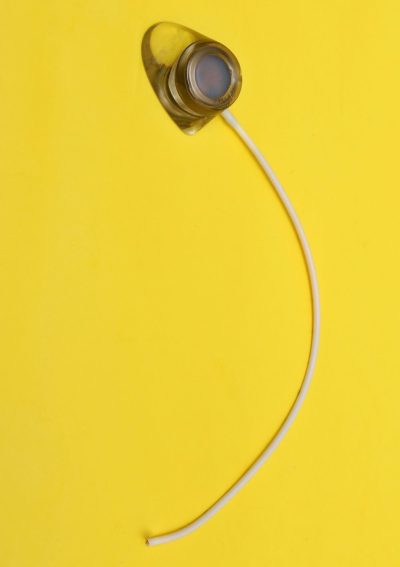
What Is a Chemo Port?
A chemo port is a small medical device with a long tube (catheter) that doctors place under the skin. The catheter connects to a large vein. It’s also called a PowerPort or port catheter. Medical providers use the port for chemotherapy, blood transfusions or IV treatments.
Bard, a part of Becton, Dickinson and Company (BD), makes several chemo port catheters that are widely used in cancer care. The Bard PowerPort is one of these catheters.
How a Chemo Port Works
Medical providers insert a needle into the chemo port to deliver medication or collect blood. Doctors usually implant chemo ports in the upper chest, and they stay in the body throughout the duration of cancer treatment.
In 2006, Bard began using a material called Chronoflex in these catheters. Lawsuits allege this material weakens over time and can cause the port to break apart inside the body.
Chemo Port Problems and What They Can Do to You
When chemo port problems cause it to fail, it can cause serious harm — sometimes requiring emergency surgery or long-term treatment. In serious cases, these problems may be fatal.
Port catheter lawsuits claim devices made with Chronoflex can break down and break off in the body. Other chemo port complications include the device moving out of place, blood clots and infections.
The Port Cracks or Breaks Apart
In some cases, the catheter can crack and pieces can break off. Sometimes, these pieces can travel to the heart or lungs. If this happens, doctors may need to surgically remove the pieces.
A study in the Journal of the Mechanical Behavior of Biomedical Materials found that an imbalance in a chemical used in PowerPort devices may cause the catheter to break.
In one 2023 report that the FDA received, a patient complained of chest pain after having a PowerPort implanted. Doctors found the catheter broke and lodged in their heart.
The Port Moves Out of Place
When the port moves out of place, it’s called a device migration. This can cause pain and other complications such as blood clots and infections.
A 2025 case study in the International Journal of Surgery Case Reports described the case of a 44-year-old woman who received a chemo port to treat breast cancer. Doctors found her chemo port tip had moved to a vein in her lung, and they surgically removed the port.
Infections, Blood Clots and Serious Complications
In some cases, bacteria can collect around a failing port, leading to serious infections. In some cases, infections can spread to the bloodstream, leading to sepsis.
If a blood clot forms around the port, breaks loose and travels to the lungs, it can lead to a pulmonary embolism. Pulmonary embolisms are serious emergencies that block blood flow to an artery in the lungs.
- Chest pain (often sharp, worse with deep breath or cough)
- Shortness of breath or difficulty breathing
- Sudden dizziness or lightheadedness, fainting
- Coughing up blood
- Fast or irregular heartbeat
If you experience these symptoms, seek care immediately.
FDA Reports and the Recall Question
Despite hundreds of adverse event reports to the FDA, Bard has not issued a chemo port recall specifically for Chronoflex material defects. The FDA has received hundreds of reports describing port fractures, infections and/or blood clots linked to Bard PowerPort devices.
Bard issued a smaller recall in 2019 for a connection defect affecting about 178 devices. This is a separate issue from the claims in PowerPort catheter lawsuits.
The company has stated it believes the devices meet safety standards. People who filed lawsuits disagree. The courts will decide if Bard made a defective product and failed to warn the public about the risks of its chemo ports.
Chemo Port Lawsuits: What Patients Are Claiming
Patients who filed chemo port lawsuits claim Bard knew the Chronoflex material was defective and could break down over time, but didn’t warn patients or doctors.
More than 2,800 people have filed port catheter lawsuits as of March 2026. Judges grouped these cases from across the country into a single federal court. This is a multi-district litigation (MDL 3081). MDLs group similar cases together for more efficient handling, and you can join this group no matter where you live in the country.
The judge scheduled the first trial in the MDL, called a bellwether trial, for April 21, 2026. Bellwethers act as test cases that help determine how a jury will react to evidence presented in these claims. They also help figure out how much a PowerPort settlement could be worth.
People who had a chemo port implanted and later experienced fracture, infection or blood clots and needed to have the port removed may qualify to file a lawsuit.
“We’re seeing cases involving bloodstream infections, blood clots, organ punctures, and in some instances, permanent nerve or cardiac damage. These aren’t minor issues,” Moshe Horn, a product liability attorney with Simmons Hanly Conroy, told Consumer Notice.

Chemo Port Lawsuit Settlements: What to Expect
So far, no chemo port lawsuit settlements have been finalized. The bellwether trials that begin on April 21, 2026, will play a major role in determining how much individual cases are worth.
Factors that affect settlement value may include how serious the injury was, if the patient had surgery, how long it took to recover and other individual case details.
Frequently Asked Questions About Chemo Ports
- Is a chemo port safe?
- Chemo ports are widely used and work safely for many patients. However, Bard PowerPort devices have been linked to serious complications including fractures, infections and blood clots. More than 2,600 lawsuits have been filed.
- What are the signs my chemo port is failing?
- Pain, swelling or redness at the port site; fever or chills; difficulty flushing the port; or visible changes around the implant area may indicate that a chemo port is failing. If you experience chest pain or shortness of breath, seek emergency care immediately.
- Has the Bard PowerPort been recalled?
- Bard issued a small 2019 recall involving 178 devices for a connection defect. The company hasn’t issued a recall for the alleged Chronoflex material defect that causes catheters to crack, despite hundreds of adverse event reports to the FDA.
- What should I do if my chemo port broke or was removed?
- First, seek medical care. Be sure to document everything — records, dates, reason for removal and complications. Consider a free case review to see if you qualify for a lawsuit.
- Who is filing chemo port lawsuits?
- Patients who had a Bard PowerPort implanted and later experienced fracture, infection, a blood clot and/or needed the device removed. So far, more than 2,600 lawsuits have been consolidated in federal court. The first bellwether trial is scheduled for April 21, 2026.
- How long does a chemo port last?
- A chemo port can last for years. However, lawsuits allege the Chronoflex material Bard used weakens over time, making older implants more prone to cracking and failure.


9 Cited Research Articles
Consumernotice.org adheres to the highest ethical standards for content production and references only credible sources of information, including government reports, interviews with experts, highly regarded nonprofit organizations, peer-reviewed journals, court records and academic organizations. You can learn more about our dedication to relevance, accuracy and transparency by reading our editorial policy.
- United States Judicial Panel on Multidistrict Litigation. (2026, March 2). MDL Statistics Report - Distribution of Pending MDL Dockets by Actions Pending. Retrieved from https://www.jpml.uscourts.gov/sites/jpml/files/Pending_MDL_Dockets_By_District-March-2-2026.pdf
- U.S. Food & Drug Administration. (2026, February 19). Manufacture and User Facility Device Experience (MAUDE) Database. Retrieved from https://www.accessdata.fda.gov/scripts/cdrh/cfdocs/cfmaude/search.cfm
- Khesali, M. and Yazdi, S.A.M. (2025, September). Spontaneous Migration of a Port Catheter Tip to the Pulmonary Vein: A Case Report of an Uncommon Complication. Retrieved from https://www.sciencedirect.com/science/article/pii/S2210261225009630
- Becton, Dickinson and Company. (2023, August 8). Statement on Transfer of Bard PowerPort Implantable Port Cases to Multidistrict Litigation. Retrieved from https://www.bd.com/content/dam/bd-assets/na/peripheral-intervention/web-assets/us/documents/media_statement_port_mdl_final_20230808.pdf
- U.S. Food & Drug Administration. (2023, February 1). MAUDE Adverse Event Report: Bard Access Systems, Inc. Powerport ISP M.R.I. Implantable Port; Port Catheter, Implanted, Subcutaneous, Intravascular. Retrieved from https://www.accessdata.fda.gov/scripts/cdrh/cfdocs/cfmaude/detail.cfm?mdrfoi__id=16350705&pc=LJT
- U.S. Food & Drug Administration. (2019, October 1). Class 2 Device Recall Power Port Implantable Port. Retrieved from https://www.accessdata.fda.gov/scripts/cdrh/cfdocs/cfRes/res.cfm?id=179655
- U.S. Food & Drug Administration. (2019, July 8). K181446 Trade/Device Name: Bard Power-Injectable Implantable Ports (PowerPorts). Retrieved from https://www.accessdata.fda.gov/cdrh_docs/pdf18/k181446.pdf
- Becton, Dickinson and Company. (2017, December 29). BD Completes Bard Acquisition, Creating New Global Health Care Leader. Retrieved from https://news.bd.com/2017-12-29-BD-Completes-Bard-Acquisition-Creating-New-Global-Health-Care-Leader,1
- BD. (n.d.). The Facts on Power Injectable Implantable Ports. Retrieved from https://www.bd.com/en-us/products-and-solutions/solutions/the-facts-on-power-injectable-implantable-ports
Calling this number connects you with a Consumer Notice, LLC representative. We will direct you to one of our trusted legal partners for a free case review.
Consumer Notice, LLC's trusted legal partners support the organization's mission to keep people safe from dangerous drugs and medical devices. For more information, visit our partners page.
866-981-3468