FDA Requires NAION Warning for Ozempic, Other GLP-1 Drugs
Editors carefully fact-check all Consumer Notice, LLC content for accuracy and quality.
Consumer Notice, LLC has a stringent fact-checking process. It starts with our strict sourcing guidelines.
We only gather information from credible sources. This includes peer-reviewed medical journals, reputable media outlets, government reports, court records and interviews with qualified experts.
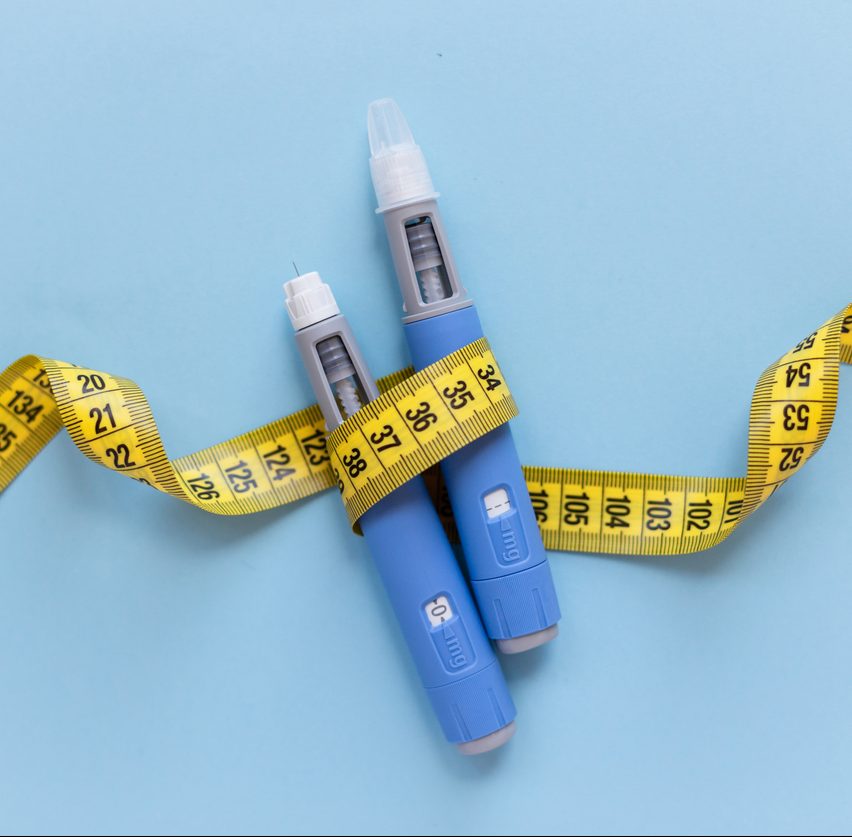
In a major development, the U.S. Food & Drug Administration is requiring GLP-1 manufacturers to warn users about a rare condition that can cause vision loss.
The agency announced on Monday that popular drugs like Ozempic, Wegovy and Mounjaro must receive updated labels to alert users to a potentially heightened risk of non-arteritic anterior ischemic optic neuropathy (NAION).
This eye condition occurs when blood flow to the optic nerve is reduced, which can lead to sudden, painless and permanent vision loss.
GLP-1 drugs, which are prescribed to both treat Type 2 diabetes and manage weight loss, are used by millions of Americans.

Ozempic Blindness Lawsuits On the Rise
The label update comes as Novo Nordisk, the maker of Ozempic and Wegovy, faces a growing wave of lawsuits alleging it failed to warn users of the risk of vision loss associated with these medications.
The Ozempic lawsuits, which are being brought by people who developed NAION after using the drugs, have been filed both in federal court and in New Jersey state court, where Novo Nordisk’s U.S. headquarters are based.
In December 2025, a judicial panel consolidated federal NAION lawsuits into a multidistrict litigation. MDLs place similar cases before a single judge, allowing for coordinated legal proceedings and more streamlined results.
This litigation is new, and filings are expected to ramp up. Anyone who used a GLP-1 drug and went on to experience vision loss could be eligible.