Bayer Court Win Complicates Roundup Settlement
Editors carefully fact-check all Consumer Notice, LLC content for accuracy and quality.
Consumer Notice, LLC has a stringent fact-checking process. It starts with our strict sourcing guidelines.
We only gather information from credible sources. This includes peer-reviewed medical journals, reputable media outlets, government reports, court records and interviews with qualified experts.
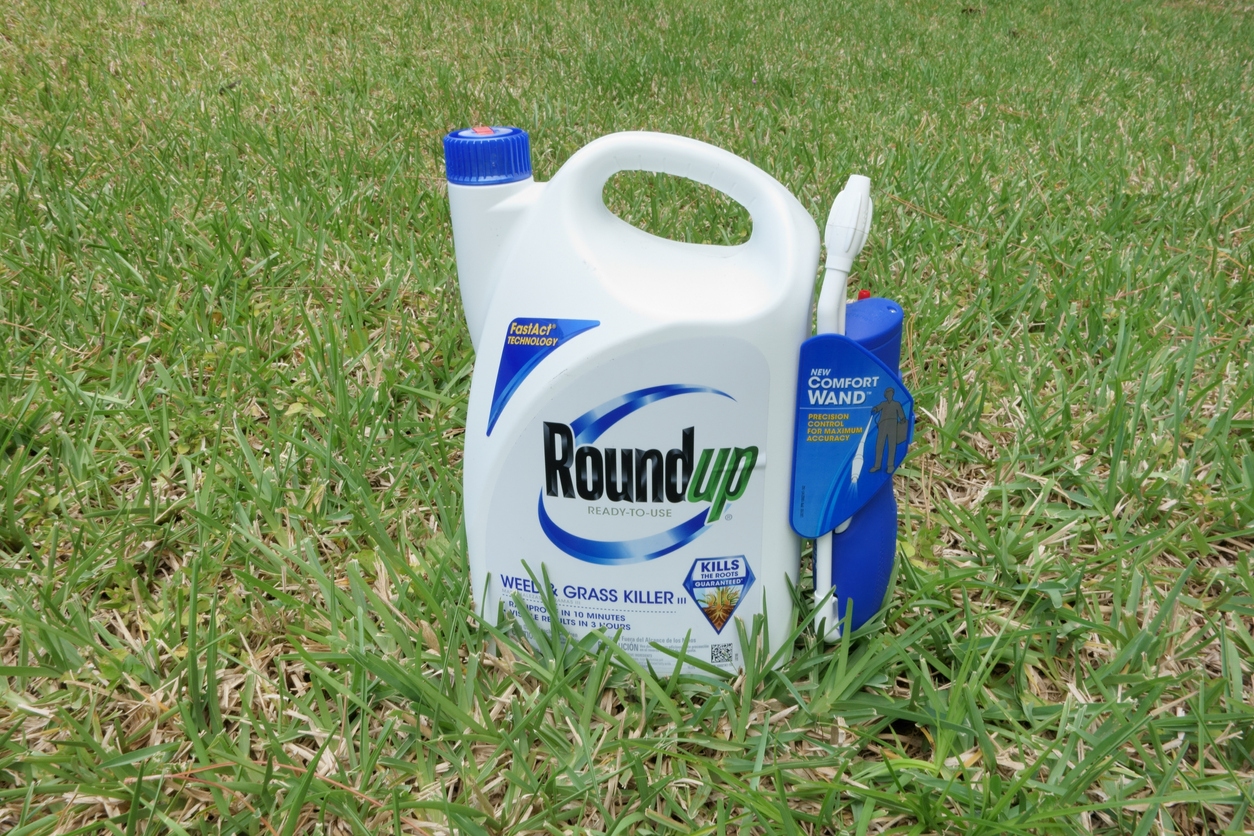
Bayer’s unanimous win in a St. Louis Roundup trial may strengthen the company’s position as it awaits a Missouri court’s decision on a proposed $7.25 billion settlement. This outcome could make ongoing Roundup lawsuits less appealing for plaintiffs. The Oct. 29 verdict rejected claims from three women who said Roundup caused their non-Hodgkin lymphoma.
This was the first trial of the remaining legal theories open to plaintiffs since the U.S. Supreme Court’s June ruling on preemption, which found that federal law can override state law in Roundup claims. That decision effectively blocked lawsuits filed in state courts claiming that Monsanto should have included a cancer warning on Roundup labels.
Whitney Di Bona, an attorney and consumer safety advocate at Drugwatch, says this outcome shows how the Supreme Court ruling could give Bayer more leverage.
“This is an upsetting loss for the thousands of cancer victims still caught up in this long, drawn-out legal battle,” Di Bona said. “It’s also exactly the result Bayer fought so hard for when it took the preemption issue all the way to the Supreme Court.”

Roundup Settlement Leverage Comes Into Focus
Bayer’s proposed Roundup settlement aims to resolve most current and future Roundup claims. It was preliminarily approved in March, but a Missouri state court judge has not yet made a final decision. About 65,000 claims are still pending in U.S. state and federal courts.
Theresa Aretino, Cynthia Fernandez and Betty Larkin, the three plaintiffs in the St. Louis trial, chose not to join the proposed settlement. Their loss shows the risks for plaintiffs who decide to pursue their cases individually.
This verdict does not decide other lawsuits or guarantee that the settlement will be approved. However, additional wins for the defense could make future litigation more challenging.
“If more verdicts like this one follow, plaintiffs’ attorneys may be discouraged from taking these cases to trial at all,” she said. “That leaves injured people with fewer options and gives Bayer even more leverage.”
Supreme Court Ruling Narrowed Plaintiffs’ Options
Before the Supreme Court decision, Roundup lawsuits commonly alleged that Monsanto failed to warn consumers about cancer risks. The court held that federal labeling requirements prevented state-law claims that conflicted with labels approved by the U.S. Environmental Protection Agency, which does not require a cancer warning.
Instead, the St. Louis plaintiffs brought claims of defective design, fraud and negligence. The jury unanimously ruled for Bayer-owned Monsanto, offering an early look at how these alternative legal arguments might fare.
“Taking failure-to-warn claims off the table doesn’t make it impossible to hold a company accountable for a dangerous product, but it makes it much harder,” Di Bona said.
Roundup lawsuits blame the herbicide for causing cancer, particularly non-Hodgkin lymphoma.
However, Bayer maintains that Roundup does not cause cancer. Bill Dodero, Bayer’s U.S. general counsel, said the verdict shows that plaintiffs who bring claims after the Supreme Court ruling will have a harder time building strong cases and proving them in court.
As settlement talks continue, the main question is whether this verdict is a one-time event or the start of a trend that makes plaintiffs less likely to risk going to trial.