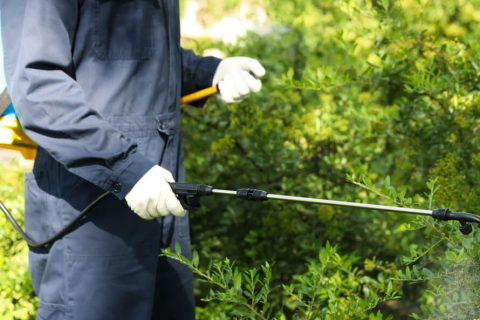
Parties are finalizing a paraquat herbicide settlement in 2026. The settlement intends to cover most of the 6,542 MDL lawsuits filed by farmworkers and agricultural workers who were regularly exposed to paraquat and later developed Parkinson's disease. See if you have a case.
Industry experts estimate that individual paraquat settlement payouts could range from $20,000 to $1.5 million, but these are speculative estimates and aren’t confirmed. Actual settlement amounts will vary depending on the facts of each case, and the terms and amount of the latest Paraquat settlement are confidential.
In another herbicide injury settlement for Roundup weedkiller, Bayer agreed to pay about $7.25 billion to resolve thousands of claims that the product could cause non-Hodgkin lymphoma. A Missouri judge granted preliminary approval for the settlement in March 2026.
Factors That May Affect Your Settlement Amount
Several details about your diagnosis and work history can change how much money you may receive from a paraquat Parkinson’s settlement. These factors help show how seriously Parkinson’s has affected your life and how strong your legal claim may be.
How serious your diagnosis is and how it affects daily life.
Settlements are often higher when symptoms are more advanced, if you need help with basic tasks or if you can no longer drive, cook or care for yourself safely.
How long and how often you were around paraquat.
Regular contact with paraquat over many months or years, especially for people who mixed or sprayed it as part of their job, usually supports a stronger claim than brief or rare exposure.
Your age when you were diagnosed.
People diagnosed at a younger age may receive more compensation because Parkinson’s can affect their ability to work for many years and may require lifelong treatment and care.
Lost wages and reduced ability to work.
If Parkinson’s forced you to cut your hours, change jobs or stop working completely, the income you already lost and the income you are likely to lose in the future can increase your settlement.
Past and future medical costs.
Doctor visits, medications, therapy, mobility aids, in‑home care and other medical needs related to Parkinson’s are added up to estimate how much money you may need going forward.
Pain, suffering, and loss of quality of life.
You may also be paid for non‑financial harm, such as physical pain, tremors, sleep problems, depression, anxiety and the loss of independence or activities you once enjoyed.
Strength of your proof.
Clear medical records, work and exposure history, witness statements and expert opinions that connect your paraquat exposure to your Parkinson’s diagnosis can make your case stronger and may support a higher settlement.
These factors often work together rather than on their own. An experienced paraquat lawyer can review your medical records, work background and exposure history to estimate a fair settlement range based on your specific situation.
Suffering from Parkinson's disease caused by paraquat exposure?
People who worked around paraquat in farming or commercial agriculture and later developed Parkinson’s disease may qualify for a paraquat settlement — including farmworkers, pesticide applicators, crop dusters, mixers and loaders and others who handled or worked near paraquat products.
The main qualifying conditions are regular, repeated exposure to paraquat over time and a confirmed Parkinson’s diagnosis.
Regular, Repeated Paraquat Exposure Over Time
You could be eligible if you had consistent paraquat exposure over time. This usually happens through skin contact while mixing or spraying, breathing in mist or drift during application or working in recently treated fields without proper protective equipment.
Confirmed Parkinson’s Diagnosis
The primary qualifying injury in most paraquat cases is a medical diagnosis of Parkinson’s disease. Lawyers typically look for a confirmed Parkinson’s diagnosis from a neurologist, along with records describing when symptoms began and how the disease affects your daily life and ability to work. It is especially important if your Parkinson’s started after years of working around paraquat in fields, orchards, vineyards, nurseries or similar agricultural settings.
Even if you recently switched to paraquat alternatives and no longer use paraquat, you could qualify. You do not have to know the exact dates or every brand name you used, but it helps if you can describe where you worked, roughly when you were exposed and what you did around paraquat. If this sounds like your situation, lawyers are still accepting cases — find out if you may qualify.
Suffering from Parkinson's disease caused by paraquat exposure?
Thousands of paraquat Parkinson’s lawsuits have been filed across the country and grouped together in a single federal proceeding called MDL 3004. As of July 2026, about 6,665 cases are being handled in one court for more efficient pretrial review and discovery. An MDL, or multidistrict litigation, is a common legal process used in large product liability cases to streamline similar lawsuits. Where you live doesn’t affect your right to bring a claim or the basic rules for filing a lawsuit in your state.
In early 2025, the parties reached a tentative settlement agreement in the federal paraquat MDL. In March 2026, the judge approved a qualified settlement fund, and the court canceled a trial previously scheduled for April 6, 2026.
However, in June 2026, the judge reported that a significant number of plaintiffs have refused the settlement offer. The judge has given these plaintiffs until July 18, 2026 to meet with the Special Master to make sure they understand what it means if they decline the settlement offer.
Even while the MDL continues, individual paraquat cases may still resolve on their own. For example, Syngenta agreed to settle at least one paraquat Parkinson’s case just weeks before trial in 2025, showing that separate settlements can happen outside of a global deal.
In June 2026, the U.S. Supreme Court issued a ruling siding with Bayer and Monsanto in a related Roundup herbicide case, Monsanto v. Durnell. This decision basically prevents failure-to-warn claims in all herbicide and pesticide cases, but plaintiffs can still pursue negligence and design defect claims, among others.
Lawyers are still accepting new paraquat Parkinson’s claims in 2026, so you may still have time to file a case if you qualify.
Syngenta is discontinuing paraquat amid a potential settlement to resolve thousands of lawsuits claiming the herbicide is tied to Parkinson’s disease.
Frequently Asked Questions About Paraquat Settlements
In 2021, Syngenta settled some cases through a $187.5 million agreement. The MDL judge approved a qualified settlement fund in March 2026 for the latest settlement agreement signed in August 2025. The QSF will help disburse funds for this settlement, but lawyers are still accepting cases.
Industry estimates suggest individual payouts could range from $20,000 to $1.5 million. These figures are speculative — the amount will depend on the severity of your Parkinson’s diagnosis, how long you were exposed to paraquat and other factors specific to your case.
You may qualify if you used, mixed or applied paraquat — typically in a farm or agricultural setting — and later developed Parkinson’s disease. Lawyers are still accepting cases.
The payout timeline is uncertain, and the exact terms and amount of the latest paraquat settlement are confidential. However, the parties set up a qualified settlement fund in March 2026 that will handle disbursing funds. Once defendants place money in a QSF, distribution typically takes a few months, but there isn’t a set timeline yet. Lawyers are still accepting cases, but deadlines to file vary by state.
Please seek the advice of a qualified professional before making decisions about your health or finances.
Michelle Llamas has written about products that affect consumer health and safety for more than 10 years. Medical journals and news outlets have cited and published her work. She is passionate about educating consumers and empowering them to become their own advocates.
Consumernotice.org adheres to the highest ethical standards for content production and references only credible sources of information, including government reports, interviews with experts, highly regarded nonprofit organizations, peer-reviewed journals, court records and academic organizations. You can learn more about our dedication to relevance, accuracy and transparency by reading our editorial policy.
Editors carefully fact-check all Consumer Notice, LLC content for accuracy and quality.
Consumer Notice, LLC has a stringent fact-checking process. It starts with our strict sourcing guidelines.
We only gather information from credible sources. This includes peer-reviewed medical journals, reputable media outlets, government reports, court records and interviews with qualified experts.
Who Am I Calling?
Calling this number connects you with a Consumer Notice, LLC representative. We will direct you to one of our trusted legal partners for a free case review.
Consumer Notice, LLC's trusted legal partners support the organization's mission to keep people safe from dangerous drugs and medical devices.