What a Proposed $7.25 Billion Settlement Means for People Who Have Filed Roundup Lawsuits
Editors carefully fact-check all Consumer Notice, LLC content for accuracy and quality.
Consumer Notice, LLC has a stringent fact-checking process. It starts with our strict sourcing guidelines.
We only gather information from credible sources. This includes peer-reviewed medical journals, reputable media outlets, government reports, court records and interviews with qualified experts.
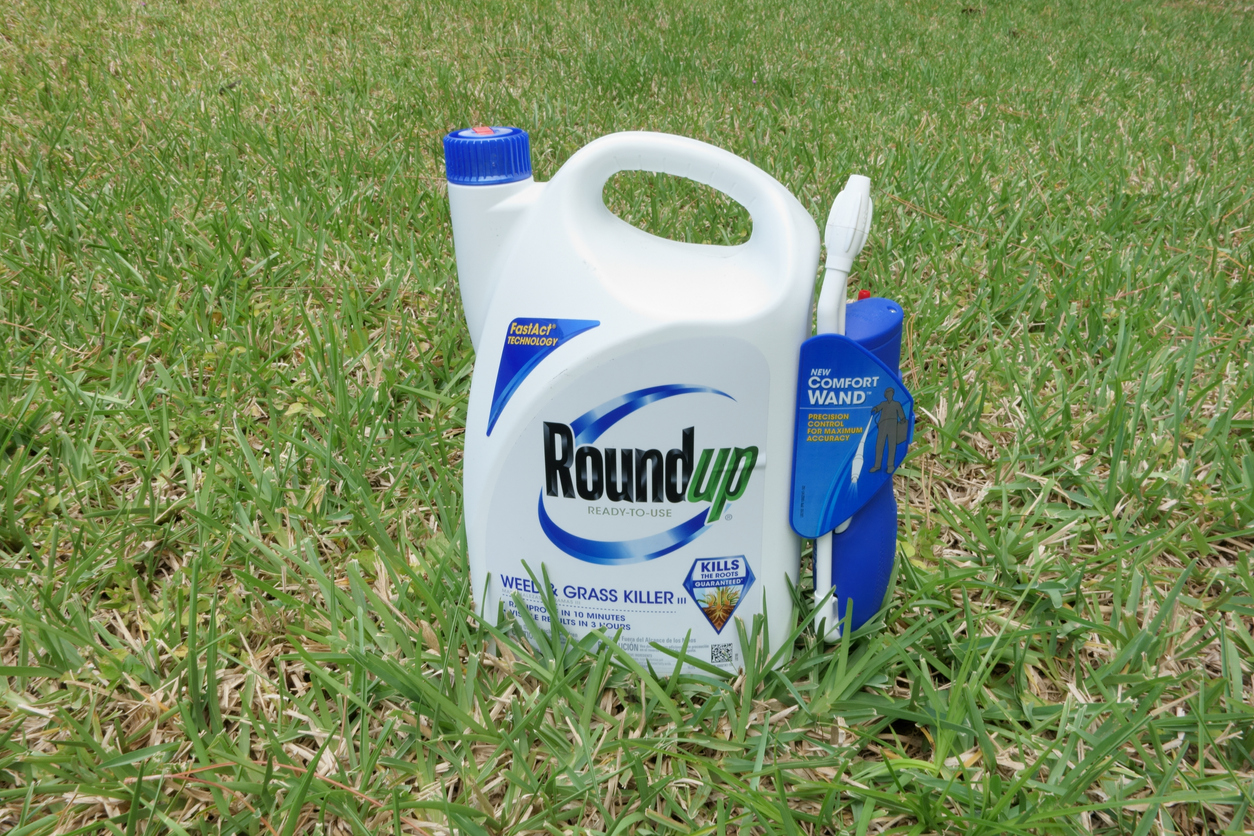
Resolution could be on its way for tens of thousands of people who say they developed cancer after being exposed to Roundup.
Agricultural giant Bayer announced plans on Tuesday for a $7.25 billion settlement that could largely resolve the years-long Roundup lawsuits. The suits focus on claims that the popular weed killer is connected to the development of non-Hodgkin lymphoma.
The settlement will need to be approved by a judge, but it has the support of numerous law firms representing people who have filed lawsuits.
This is a massive moment for these cases, some of which have been ongoing for years. As of Fall 2025, more than 60,000 individual lawsuits were pending.

Who Will Be Covered by the Roundup Settlement?
The proposed Roundup settlement is designed to be paid out over up to 21 years and will apply both to “current and future” claims involving the weed killer and cancer.
This differs significantly from Bayer’s 2020 settlement proposal, which failed to fully resolve the litigation, as new lawsuits continued to be filed in the years that followed.
Bayer said on Tuesday that those who have already been diagnosed with non-Hodgkin lymphoma or who receive a diagnosis before the end of a 16-year period following final approval of the settlement could be eligible. Plaintiffs must have had Roundup exposure before February 17, 2026.
How Does the Roundup Settlement Impact the Upcoming Supreme Court Decision?
News of a Roundup settlement comes as a major court decision looms.
The U.S. Supreme Court recently agreed to review a Roundup lawsuit and help decide a key issue that has divided lower courts — whether these cases are preempted, or overruled, by federal law. Bayer had been a strong advocate of the court taking up a case, believing a favorable ruling could have largely resolved the litigation in its favor.
But on Tuesday, the company said that uncertainty regarding that ruling played a role in making a major settlement necessary.
“We felt that we had the opportunity now to take decisive action with the class settlement in light of the Supreme Court case to pursue the strongest and fastest containment possible so we can put our full focus on our mission,” the company said on its website.
Bayer is also still hopeful that a positive ruling could impact outstanding appeals on some individual Roundup cases that have gone to trial. It could also affect cases not covered by the settlement.
“The case is still moving forward to the Supreme Court and will cover claims that are not part of the settlement, as well as those from plaintiffs who decide not to join,” Drugwatch attorney and consumer safety advocate Whitney Ray Di Bona told Consumer Notice. “In these large settlements, each person must agree to the amount offered. The settlement amounts usually depend on how serious the injury is, and they are often much lower than what a jury might award at trial. The company is offering this settlement to encourage more plaintiffs to accept it instead of opting out.”
