FDA Says Ozempic Maker Failed to Properly Report Potential Side Effects
Editors carefully fact-check all Consumer Notice, LLC content for accuracy and quality.
Consumer Notice, LLC has a stringent fact-checking process. It starts with our strict sourcing guidelines.
We only gather information from credible sources. This includes peer-reviewed medical journals, reputable media outlets, government reports, court records and interviews with qualified experts.
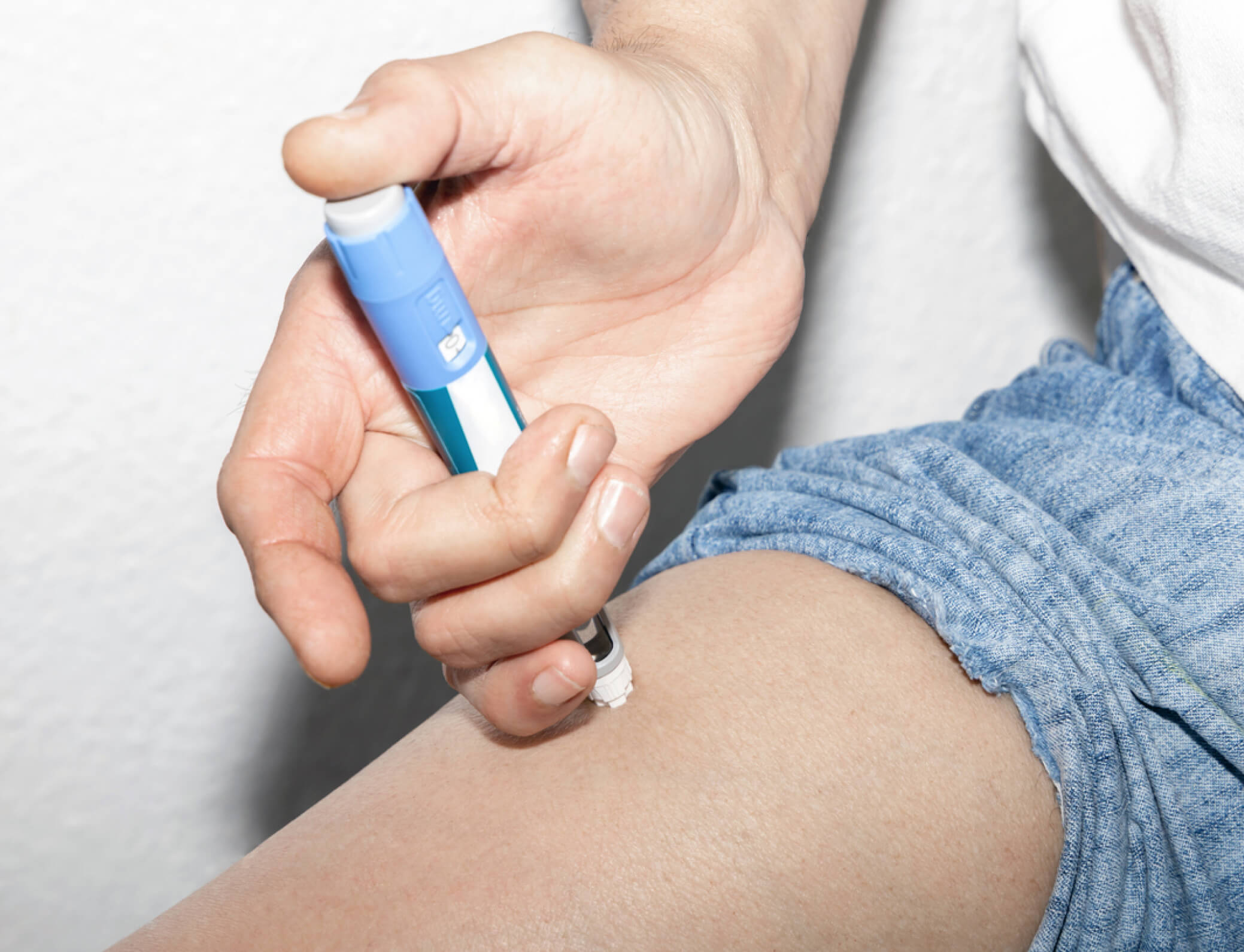
Federal regulators have warned the company that makes Ozempic, a popular diabetes and weight-loss drug, that it may not have properly reported some suspected serious side effects linked to the medication.
The U.S. Food and Drug Administration (FDA) sent a warning letter to Novo Nordisk after an inspection found possible issues with how the company tracked and reported side effects for semaglutide-containing drugs, such as Ozempic and Wegovy.
Federal regulation says drug makers must quickly report each serious and unexpected adverse experience, like death or a life-threatening complication, as soon as possible and within 15 days of receiving the information. The FDA says these reports help regulators identify potential safety issues and decide if drug warnings or prescribing information need to be updated.
What the FDA Says Novo Nordisk Did Wrong
In its March 2026 warning letter, the FDA said inspectors found several problems with Novo Nordisk’s safety reporting system during a post-marketing inspection at the company’s New Jersey facility.
These inspections review whether manufacturers comply with federal requirements for evaluating and reporting adverse events after products are on the market.
The agency said some serious side effects were not reported to the FDA within the required 15-day deadline. Federal rules require companies to quickly report serious and unexpected reactions, including deaths, life-threatening events, hospitalizations or permanent injuries.
In some cases, the FDA said certain reports were not sent to the agency at all. These included at least one patient death, a suicide linked to a patient taking semaglutide, and a disabling stroke connected to another GLP-1 medication.
The FDA did not say the drugs caused these events. Still, regulators said the cases should have been reported so the agency could review them as possible safety signals.
Investigators also found that the company marked some complaints as “invalid” and did not send them to regulators. FDA rules require manufacturers to report serious and unexpected adverse experiences, whether or not the events are considered drug-related.
The agency said these issues showed bigger problems with Novo Nordisk’s pharmacovigilance system. This is the process companies use to collect, review and report possible side effects once drugs are in use.
After the inspection, Novo Nordisk sent a plan explaining how it would fix the problems. But the FDA said the response did not give enough detail to show the violations would be fully addressed. The agency sent the warning letter to require the company to take stronger corrective actions.
Why Side Effect Reporting Matters
Even after a drug passes clinical trials and is approved, regulators rely on reports of side effects to track how medications affect patients in real-world settings.
“Proper reporting procedures are essential to identifying patterns of injuries linked to prescription drugs,” said Whitney Di Bona, an attorney and consumer safety advocate with Drugwatch. “If adverse events are not reported accurately or on time, it can delay the process of identifying potential risks and informing patients and doctors.”
The FDA’s warning letter does not mean Ozempic or Wegovy are being recalled or taken off the market. It does, however, show how regulators monitor drug makers’ safety reporting systems after medications are widely prescribed.
Novo Nordisk says it is working with the FDA and trying to address the agency’s concerns.
Lawsuits Over GLP-1 Drugs Continue to Grow
The warning letter comes at a time when lawsuits involving GLP-1 medications are growing across the United States.
Thousands of patients have filed lawsuits claiming drugs like Ozempic and Wegovy caused serious complications that manufacturers did not properly warn about.
The lawsuits focus on several alleged injuries, such as:
- Severe gastrointestinal problems, including stomach paralysis (gastroparesis)
- Intestinal blockages and bowel injuries
- Vision loss linked to Non‑arteritic anterior ischemic optic neuropathy (NAION)
NAION is a rare eye condition that happens when there’s reduced blood flow to the optic nerve, which can cause sudden vision loss.

Gastroparesis cases have been combined in a federal multidistrict lawsuit in Pennsylvania. NAION lawsuits are developing in both federal and state courts.
Although the FDA warning letter does not decide whether the drugs caused the injuries in these cases, findings about how companies tracked and reported side effects can become important as lawsuits continue.
Patients who think they may be having severe side effects from GLP-1 medications should talk to a doctor and report the event through the FDA’s MedWatch safety reporting system.
These reports can help identify new safety risks and help regulators and courts better understand the full range of possible drug injuries.
