5 Things To Know About Syngenta’s Decision To Discontinue Paraquat as Lawsuit Settlement Nears
Editors carefully fact-check all Consumer Notice, LLC content for accuracy and quality.
Consumer Notice, LLC has a stringent fact-checking process. It starts with our strict sourcing guidelines.
We only gather information from credible sources. This includes peer-reviewed medical journals, reputable media outlets, government reports, court records and interviews with qualified experts.
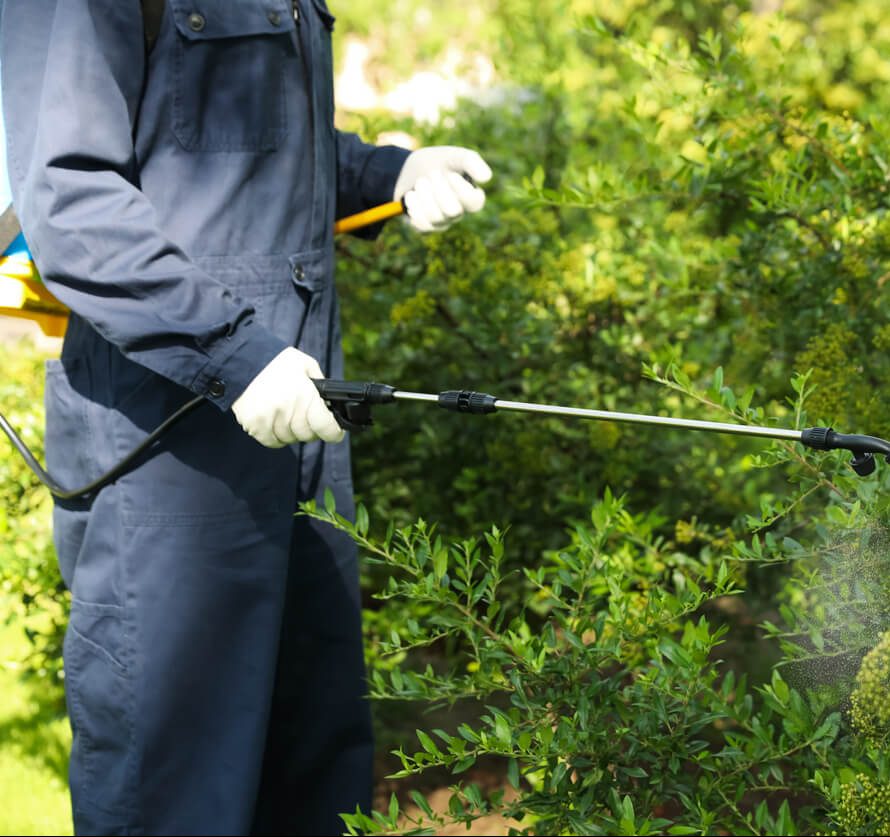
Global agricultural giant Syngenta has announced plans to discontinue paraquat. The herbicide, which is highly toxic and has been subject to increased scrutiny over its health effects in recent years, will be phased out by June of this year.
It’s a significant decision, as paraquat is one of the most widely used herbicides in the United States. But it is also at the center of thousands of paraquat lawsuits filed over a potential risk of Parkinson’s disease.
Here are five things to know about the recent developments involving paraquat.
Syngenta Announcement Doesn’t Mention Paraquat Lawsuits
In its announcement of paraquat’s discontinuation, the company did not make any reference to the more than 6,000 paraquat lawsuits currently pending in federal court over claims that the herbicide is tied to Parkinson’s.
Lawsuits claim that farmers and agricultural workers who were regularly exposed to paraquat went on to develop the devastating neurological condition.
In making its decision, Syngenta cited “significant competition from generic producers around the world, which has eroded Syngenta’s competitiveness in the production of this herbicide.”

Paraquat Is Already Banned In Other Countries
Paraquat is already banned in dozens of nations, including the United Kingdom, the European Union and China. And scrutiny has been mounting in recent years.
In 2024, more than 50 members of the U.S. Congress signed a letter urging the Environmental Protection Agency to ban paraquat.
“Paraquat is a toxic substance linked to life threatening diseases and grave impacts on the environment— it has been banned in dozens of countries and should be banned in the United States,” the letter stated.
Syngenta Is Not the First Company to Discontinue a Product Amid Lawsuits
In past product liability cases, major companies have similarly discontinued products while facing lawsuits.
In 2021, Bayer removed the active ingredient glyphosate from the popular weed killer Roundup after tens of thousands of lawsuits were filed over a potential link to non-Hodgkin lymphoma.
Johnson & Johnson similarly pulled talc-based products from the U.S. in 2020 following thousands of talcum powder lawsuits claiming its baby powder was linked to certain cancers.
Paraquat Settlement Could Soon Be Finalized
Syngenta’s decision to discontinue paraquat coincides with the potential resolution of the litigation surrounding the herbicide.
More than 6,500 paraquat lawsuits are pending in federal court over Parkinson’s concerns. Work on those cases has remained largely at a standstill for almost a year now as both sides worked to finalize a settlement agreement to resolve them.
Now, that settlement could be completed soon. The judge overseeing the paraquat litigation on Tuesday canceled an upcoming trial, citing a nearing settlement.
Recent court documents show that a confidential settlement agreement was signed in August. The exact terms of that agreement have not yet been released, but it could bring resolution and payouts to thousands of cases.
Discontinuing Paraquat Is Not the Same as Banning It
Still, safety advocates and attorneys say Syngenta’s decision to stop producing Paraquat is not enough to protect consumers.
“While Syngenta’s decision to stop manufacturing Paraquat is great news, it won’t remove this dangerous product from our food supply until regulators take action and ban it completely,” said Whitney Ray Di Bona, attorney and consumer safety advocate with Drugwatch.com.
There are still generic competitors willing and able to fill the market gap left by Syngenta’s exit, Di Bona added.
“More than 70 countries have banned paraquat,” she said. “It’s time for the U.S. to do the same.”
