Texas Launches Glyphosate Investigation Into Bayer, Other Food Giants
Editors carefully fact-check all Consumer Notice, LLC content for accuracy and quality.
Consumer Notice, LLC has a stringent fact-checking process. It starts with our strict sourcing guidelines.
We only gather information from credible sources. This includes peer-reviewed medical journals, reputable media outlets, government reports, court records and interviews with qualified experts.
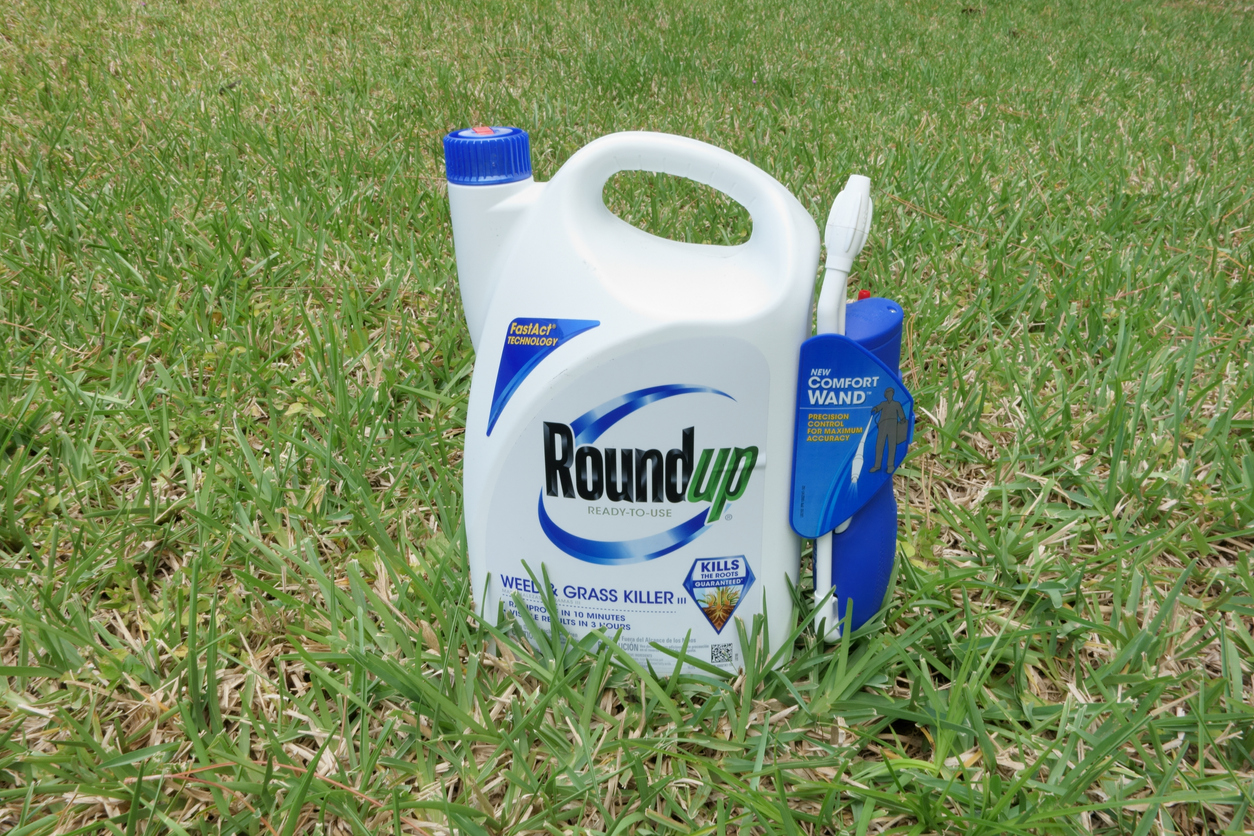
Texas Attorney General Ken Paxton has started a wide-ranging investigation into major herbicide and food manufacturers, including Bayer, the maker of Roundup, and PepsiCo. A press release from his office says the investigation is looking into worries about glyphosate contamination in everyday foods.
As part of the investigation, Paxton’s office sent Civil Investigative Demands to the companies involved. The filing says the investigation will examine potential health risks posed by glyphosate in foods, especially products that children eat.
Paxton addressed the investigation directly in the release: “If any corporation is using regulatory loopholes to poison our kids with glyphosate, we will find out and we will secure justice. My office is also investigating whether major food companies are complying with Texas law and whether consumers, especially parents, have been misled about the health claims of common food products marketed to their families. No corporation is above the law, and no illegal action will go unpunished.”
Glyphosate, the main ingredient in Roundup, was called a probable human carcinogen by the International Agency for Research on Cancer in 2015. It has also been linked to hormone problems, infertility, kidney disease and autoimmune issues. More than 250 million pounds of glyphosate are used on crops in the U.S. each year, and over 70% of U.S. adults now have detectable amounts in their bodies.
Glyphosate is often found in oat-based foods like cereals and breakfast bars. Farmers sometimes spray crops with herbicides like Roundup before harvest to help them dry faster. Paxton’s office says this practice is a major contributor to contamination in the food supply. The press release also raised concerns about young children, noting that studies show that kids aged 1 to 2 have the highest exposure to glyphosate in their diets.
This investigation is another legal challenge for Bayer. In February 2026, the company offered $7.25 billion to settle tens of thousands of lawsuits alleging that Roundup causes non-Hodgkin lymphoma. Many of the plaintiffs’ lawyers oppose the deal, saying it would not fairly compensate those harmed. The court has not approved the settlement yet.

The result of the Roundup lawsuits also depends on an upcoming U.S. Supreme Court decision in Monsanto v. Durnell. Bayer says that because the EPA approved Roundup’s label without a cancer warning, the company should not be held responsible under individual state laws for failing to warn consumers about cancer risks. The court has already listened to arguments, and a decision is expected this summer.