As Canada Moves to Ban Children from Social Media, Battle in U.S. Remains Limited to the Courtroom
Editors carefully fact-check all Consumer Notice, LLC content for accuracy and quality.
Consumer Notice, LLC has a stringent fact-checking process. It starts with our strict sourcing guidelines.
We only gather information from credible sources. This includes peer-reviewed medical journals, reputable media outlets, government reports, court records and interviews with qualified experts.
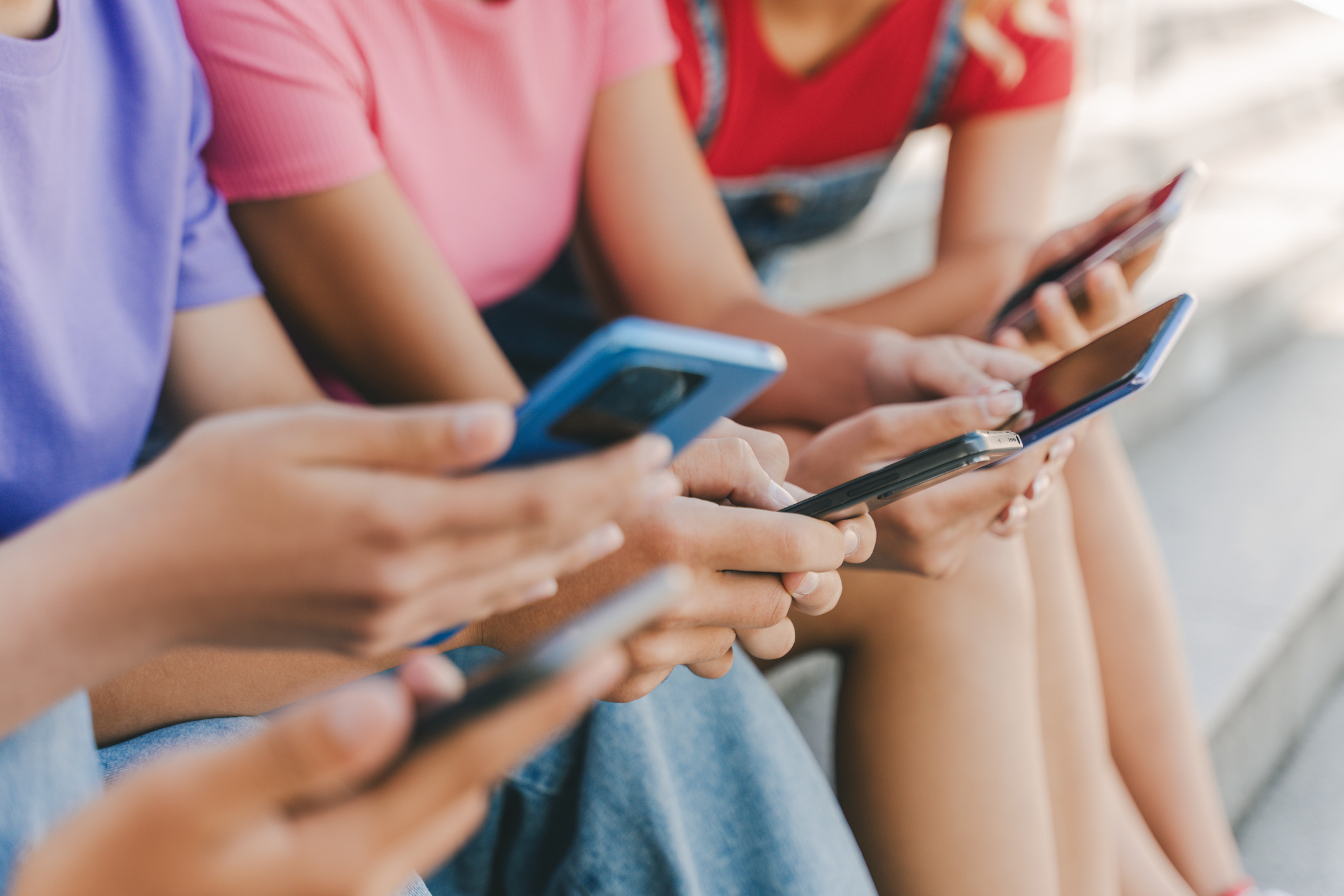
Canada introduced new legislation this week focused on online safety that could bar children under 16 from having accounts on popular platforms like Instagram and TikTok.
The move comes after Australia instituted a similar ban in late 2025, while some European nations mull similar action.
“We have seen the very serious consequences that online harms can have,” Marc Miller, the Minister of Canadian Identity and Culture, said in a statement. “As technologies evolve, we must ensure our laws keep pace, because parents cannot face these challenges alone.”
While other nations consider bans, no similar legislation is currently under consideration in the United States. Instead, potential change is being driven through lawsuits brought by families, individuals and school districts.
Thousands of Social Media Lawsuits Claim Platforms Fuel Mental Health Risks
There are currently thousands of social media lawsuits pending in the U.S. over claims that platforms like Facebook, Instagram and Snapchat were designed to intentionally addict users and created a wave of severe mental health issues as a result.
The first of those cases advanced to trial earlier this year and resulted in a resounding win for people who have filed lawsuits. That trial involved a woman who began using social media at a young age. She went on to develop anxiety, depression and body dysmorphia.
TikTok and Snap agreed to confidential settlements with her and removed themselves from the trial before it began, but Meta and Google decided to take the case before a jury.
Following more than a week of deliberations, those companies were ordered to pay a combined $6 million to the woman. This week, their attempts to force a new trial were formally rejected by a California judge.
Similar lawsuits have been filed by school districts seeking repayment for the expenses incurred treating what they say is a childhood mental health crisis fueled by social media use.
A group of social media companies settled the first school district lawsuit set for trial for $27 million.
More social media cases are expected to advance to trial in 2026.