Galaxy Gas (Nitrous Oxide Canisters): Misuse & Health Risks
Galaxy Gas sold flavored nitrous oxide canisters marketed as whipped cream chargers. Inhaling the gas — known as "whippets" — has been linked to brain damage, paralysis and death. Dozens of lawsuits allege the company targeted young users without warning of the risks.
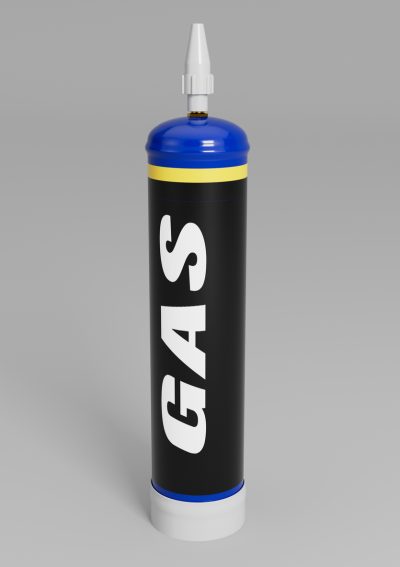
Nitrous oxide canisters, also known as “whippets” or “laughing gas,” are sometimes inhaled for a quick, intense high. Galaxy Gas is a brand name that’s become shorthand for several nitrous oxide brands.
Companies sell large, flavored nitrous oxide canisters that are marketed for making whipped cream, but many people use them to inhale the gas directly. This has led to serious injuries for some users.
The FDA says that using nitrous oxide for fun can be very dangerous. Some people have filed lawsuits against Galaxy Gas and other companies after getting hurt or dying from breathing in the gas. If you or someone you know was hurt, you might be able to take legal action.
What Is Galaxy Gas?
Galaxy Gas and similar products come in bright packaging, with candy-like flavors such as strawberry cream and vanilla cupcake. Some people think this might appeal to young people. Selling these canisters for food is legal in many states. However, using them to get high may be against the law in some states.

Galaxy Gas and similar products are often used in jokes or challenges on social media. Videos show people inhaling it from balloons or small canisters, making it seem safe and fun. Nitrous oxide may sometimes be administered by medical providers, but using it recreationally is dangerous because it’s not meant to be inhaled outside of controlled settings.
- Friends or peers who introduce it socially
- Online shops marketing it for “culinary use”
- Parties or music festivals where it’s used illegally
- Retail stores that sell whipped cream canisters
How Galaxy Gas Is Used — and Misused
Nitrous oxide is a colorless gas often used to help people relax and manage pain. Dentists and doctors use it during some procedures, and it may also help people going through alcohol withdrawal. It’s also used in whipped cream to make it light and fluffy, and in cars to boost engine performance.
However, some people misuse Galaxy Gas by breathing it in to get a quick high, which can be very dangerous for your health. A 2025 lawsuit filed in Orange County, Florida, claims a 29-year-old woman died after a years-long addiction to nitrous oxide that she bought at smoke shops.
Critics, including lawyers and health experts, say that Galaxy Gas and similar products are advertised in ways that attract teens and young adults. They point to its candy-like flavors, bright packaging and social media posts.
These things have made Galaxy Gas more popular as a drug, even though it’s supposed to be a kitchen tool.
Health Risks of Inhaling Nitrous Oxide
Breathing in nitrous oxide, even from Galaxy Gas canisters, can reduce oxygen to the brain and lower vitamin B12 levels. Nerves and the spinal cord need vitamin B12 to work well. Using nitrous oxide often can cause lasting damage, even if the effects seem brief or harmless.
Neurological Damage
Regular use of nitrous oxide can harm the spinal cord and nerves because it prevents the body from properly using vitamin B12. This may cause numbness, tingling, weak muscles, trouble walking or even paralysis. Medical journals have reported cases where people developed permanent nerve damage and paralysis after using nitrous oxide regularly for weeks or months.
Brain and Cognitive Harm
Taking in a lot of nitrous oxide can lower the oxygen in your blood and brain. This can lead to memory loss, confusion, psychosis and sometimes permanent brain damage. Deaths have been linked to inhalant use, including nitrous oxide, due to risks like oxygen deprivation and cardiac arrest — sometimes called “sudden sniffing death syndrome,” which can even occur with first-time use. This sort of oxygen deprivation can also happen when using nitrous oxide in a confined space, such as inside a car.
Other Physical Effects
Besides harming nerves and the brain, breathing in nitrous oxide can cause serious and long-lasting injuries. If you inhale the gas straight from the canister, the cold pressure can burn or freeze your mouth, throat and airways. It can even cause frostbite.
- Fainting
- Heart attack
- Low blood pressure
- Low oxygen levels
- Nerve damage
Some people misuse nitrous oxide to feel a quick, short-lived high. But using it this way can be dangerous. Over time, repeated use can also increase the risk of long-term health issues.
- A weakened immune system
- Birth defects if used during pregnancy
- Depression
- Memory loss
- Muscle spasms
- Numbness, especially in the hands and feet
- Psychosis
- Ringing in the ears (tinnitus)
Even though the effects may seem temporary, the risks can compound and cause lasting harm.
Why Galaxy Gas Has Been Criticized
Critics say Galaxy Gas was designed and sold in ways that made it easier for people to inhale the gas and get hurt. A lawsuit filed in Florida calls it a “veritable national health crisis.”
The chief criticisms concern how the product is branded, packaged and sold, not the nitrous oxide itself.
- Candy‑like flavors
- Ease of misuse
- Easy retail access
- Lack of safeguards
- Regulatory loopholes
- Social‑media promotion
- Weak health warnings
- Youth‑targeted branding
Two major complaints focus on marketing aimed at teens and young adults, and on Galaxy Gas and other nitrous oxide companies not doing enough to warn people about the dangers of their products.
Marketing Targeting Teens and Young Adults
Critics claim Galaxy Gas used candy-like flavors and bright designs to appeal to teens and young adults, even though it was supposed to be a kitchen product.
Social media made the canisters seem like a challenge or novelty, not a tool. TikTok later limited “Galaxy Gas” searches because of misuse concerns.
Failure to Warn
Critics say Galaxy Gas products lacked warnings about the dangers of inhaling the gas, even as misuse increased.
Injuries Reported by Galaxy Gas Users
According to a Centers for Disease Control and Prevention (CDC) study of Michigan emergency rooms, nitrous oxide-related cases increased sharply in recent years, especially among young adults in cities. Many cases involved mixing nitrous oxide with other drugs. Between 2019 and 2023, the most common injuries involved the heart and nervous system.
- Fast heartbeat (tachycardia): 19.4%
- Neurologic/nerve problems: 18.8%
- Numbness: 16.7%
- Death: 7.3%
Between 2023 and 2024, the number of people who were exposed to nitrous oxide on purpose went up by 58%, according to the National Poison Data System.
According to the U.S. Food and Drug Administration, inhaling nitrous oxide can cause wide-ranging health problems.
- Abnormal blood counts
- Asphyxiation
- Blood clots
- Bowel or bladder problems
- Death (in some cases)
- Fast or irregular heartbeat
- Frostbite
- Headache
- Lightheadedness
- Mental health problems (delusions, hallucinations, paranoia, depression)
- Numbness or tingling
- Paralysis
- Passing out
- Trouble walking
- Vitamin B12 deficiency
- Weakness in arms or legs
The FDA’s Galaxy Gas warning also says regular use can cause long-term nerve and brain damage, even after stopping.
Paralysis and Spinal Cord Damage
Doctors have seen more young people develop sudden leg weakness, trouble walking, or partial paralysis after using nitrous oxide regularly for months. This is often due to B12 deficiency caused by the gas.
In some cases, the damage is so serious that patients need long-term rehabilitation or are left with lasting mobility problems.
Addiction and Psychological Harm
People who use nitrous oxide often report that their use increases over time, sometimes reaching dozens or even hundreds of uses a day, highlighting a pattern of dependence.
The FDA warns that regular use can cause psychiatric disturbances, including delusions, hallucinations, paranoia and depression.
Deaths
There have been deaths linked to nitrous oxide use, including the case of a Florida woman who was addicted to nitrous oxide products. Her family filed a lawsuit to try to stop sales.
The risk of suffocation increases when people inhale nitrous oxide, because it can displace oxygen and make it hard to breathe. Repeated inhalation within a short time also increases the risk of suffocation.
Regulatory Actions and Legal Status
In 2025, the FDA issued a safety warning, and several states have started or are planning to restrict sales. The brand has also pulled back from the market. Laws and enforcement vary from state to state.
FDA Warning
In March 2025, the FDA issued a safety warning about serious injuries connected to brands like Galaxy Gas and other flavored nitrous oxide canisters sold as whipped cream chargers. The FDA updated its warning in June 2025 to include additional brands of whippets.
The agency reported a rise in adverse events from recreational inhalation, including nerve damage, psychosis and death.
State-Level Restrictions
Louisiana and Washington state have both banned the retail sale of nitrous oxide.
Michigan banned nitrous oxide for recreational use and created harsher penalties for selling to anyone under 18. Oklahoma’s 2025 “Maddix Bias Act” made using nitrous oxide illegal and increased penalties for selling it to minors. It was named after a student who died in a car crash involving nitrous oxide.
Because state rules differ, access, penalties and enforcement can vary a lot. Advocates are calling for stricter and more consistent regulations.
Company Response
Galaxy Gas has effectively withdrawn from the consumer market. In September 2024, the company announced it would stop selling its products “out of an abundance of caution.” Soon after, its website went offline, and the product is no longer available for sale.
Galaxy Gas has shown up in several social media sites and applications, including TikTok and YouTube. It was even offered as a virtual accessory on Roblox, a gaming site with young users.
TikTok hides videos about “galaxy gas” and now shows information about substance use instead if you search for the term. Videos of nitrous oxide use aren’t allowed, but some can still be found on TikTok and other sites like YouTube.
Despite these steps, Galaxy Gas and related companies still face lawsuits and regulatory investigations over their role in injuries and deaths linked to nitrous oxide misuse.
Galaxy Gas Lawsuits
By early 2026, several people had filed claims against Galaxy Gas and some retailers, claiming that injuries and deaths were connected to nitrous-oxide inhalation.
The family of 29-year-old Margaret Caldwell filed a lawsuit in Orange County, Florida, who died following an alleged nitrous oxide addiction. The lawsuit claims the gas was marketed as a cooking product but promoted for inhalation.
The case includes a proposed class action against manufacturers. It also has a rare class-action lawsuit against smoke shops, aiming to remove the products from shelves rather than seeking money.
A Georgia smoke shop chain was sued for wrongful death after a customer was accused of striking and killing a cyclist with his car. The suit claimed the driver was high at the time.
In February 2025, a proposed class action, Iannotti v. Galaxy Gas, LLC et al., was filed in federal court. The lawsuit says the company used deceptive marketing, targeted minors, and failed to warn users about the risks of inhaling their products.
Frequently Asked Questions About Galaxy Gas
- What is Galaxy Gas?
- Galaxy Gas is a brand of flavored nitrous oxide canisters marketed as whipped cream chargers. The gas inside — also called laughing gas or N2O — is the same substance used in medical and dental settings, but in larger quantities. Inhaling it causes a brief high, and regular use has been linked to serious nerve damage and even death.
- Is Galaxy Gas dangerous?
- Yes. Inhaling nitrous oxide can deplete Vitamin B12, damage the spinal cord and nerves, cause oxygen deprivation and, in severe cases, death. The FDA issued a warning in 2025 about a rise in serious injuries linked to recreational nitrous oxide products like Galaxy Gas.
- Why is Galaxy Gas involved in lawsuits?
- Lawsuits allege Galaxy Gas marketed its products for recreational inhalation, targeted young users through social media and candy-like flavors. The manufacturers are accused of failing to warn about serious health risks. As of early 2026, class action and wrongful death cases have been filed.
- Is nitrous oxide from Galaxy Gas illegal?
- Selling nitrous oxide for culinary use is legal in most states. But inhaling it to get high is illegal in many places, and some states are moving to restrict sales of large canisters entirely. The laws are changing rapidly.
- What should I do if I or someone I know was harmed by Galaxy Gas?
- Seek medical care first — nerve damage from B12 depletion can worsen without treatment. Document any diagnoses or hospitalizations. People who suffered serious injuries may have legal options.


7 Cited Research Articles
Consumernotice.org adheres to the highest ethical standards for content production and references only credible sources of information, including government reports, interviews with experts, highly regarded nonprofit organizations, peer-reviewed journals, court records and academic organizations. You can learn more about our dedication to relevance, accuracy and transparency by reading our editorial policy.
- Huang, P. (2024, October 8). Dangerous Trend: Galaxy Gas. Retrieved from https://injury.research.chop.edu/blog/posts/dangerous-trend-galaxy-gas
- U.S. Food and Drug Administration. (2025, June 4). FDA Advises Consumers Not to Inhale Nitrous Oxide Products. Retrieved from https://www.fda.gov/food/alerts-advisories-safety-information/fda-advises-consumers-not-inhale-nitrous-oxide-products
- Vohra, V., et al. (2025, April 10). Notes From the Field: Recreational Nitrous Oxide Misuse — Michigan, 2019–2023. Retrieved from https://www.cdc.gov/mmwr/volumes/74/wr/mm7412a3.htm
- Chuck, E. (2025, February 7). Florida Woman’s Family Files Lawsuit Seeking to Halt Sales of Galaxy Gas and Other Nitrous Oxide After Her Death. Retrieved from https://www.nbcnews.com/news/us-news/womans-family-files-lawsuit-seeking-halt-sales-galaxy-gas-death-rcna191059
- Aussem, P. (2025, February). Galaxy Gas: Risks of Nitrous Oxide Misuse Among Teens. Retrieved from https://drugfree.org/article/galaxy-gas-risks-of-nitrous-oxide-misuse-among-teens/
- Backman, I. (2024, January 8). Nitrous Oxide Effects Are Reversible With Early Treatment. Retrieved from https://medicine.yale.edu/news-article/nitrous-oxide-effects-are-reversible-with-early-treatment/
- Sims, C. and Limehouse, J. (2024, September 26). What Does Galaxy Gas Do? Are the Nitrous Oxide Gas Products, Food Items Legal? The New 'Whippet.' Retrieved from https://www.usatoday.com/story/news/2024/09/26/what-is-galaxy-gas-nitrous-oxide-near-me-what-does-do-used-for-whippets-drug-effects-laughing-gas/75389675007/
Calling this number connects you with a Consumer Notice, LLC representative. We will direct you to one of our trusted legal partners for a free case review.
Consumer Notice, LLC's trusted legal partners support the organization's mission to keep people safe from dangerous drugs and medical devices.
844-420-1914